Author: Estefania Godoy

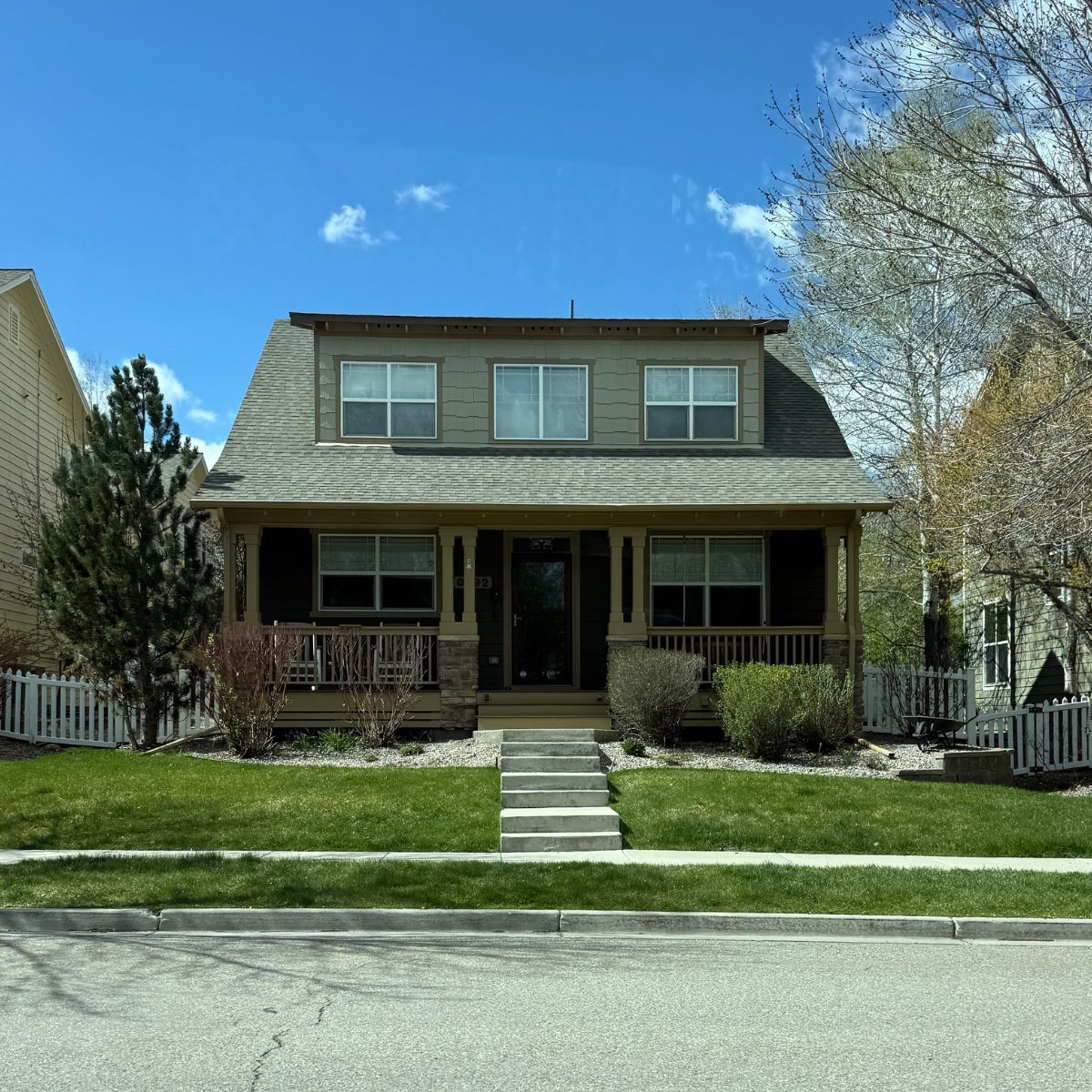
Bob & Lorrie Goodman, Durango
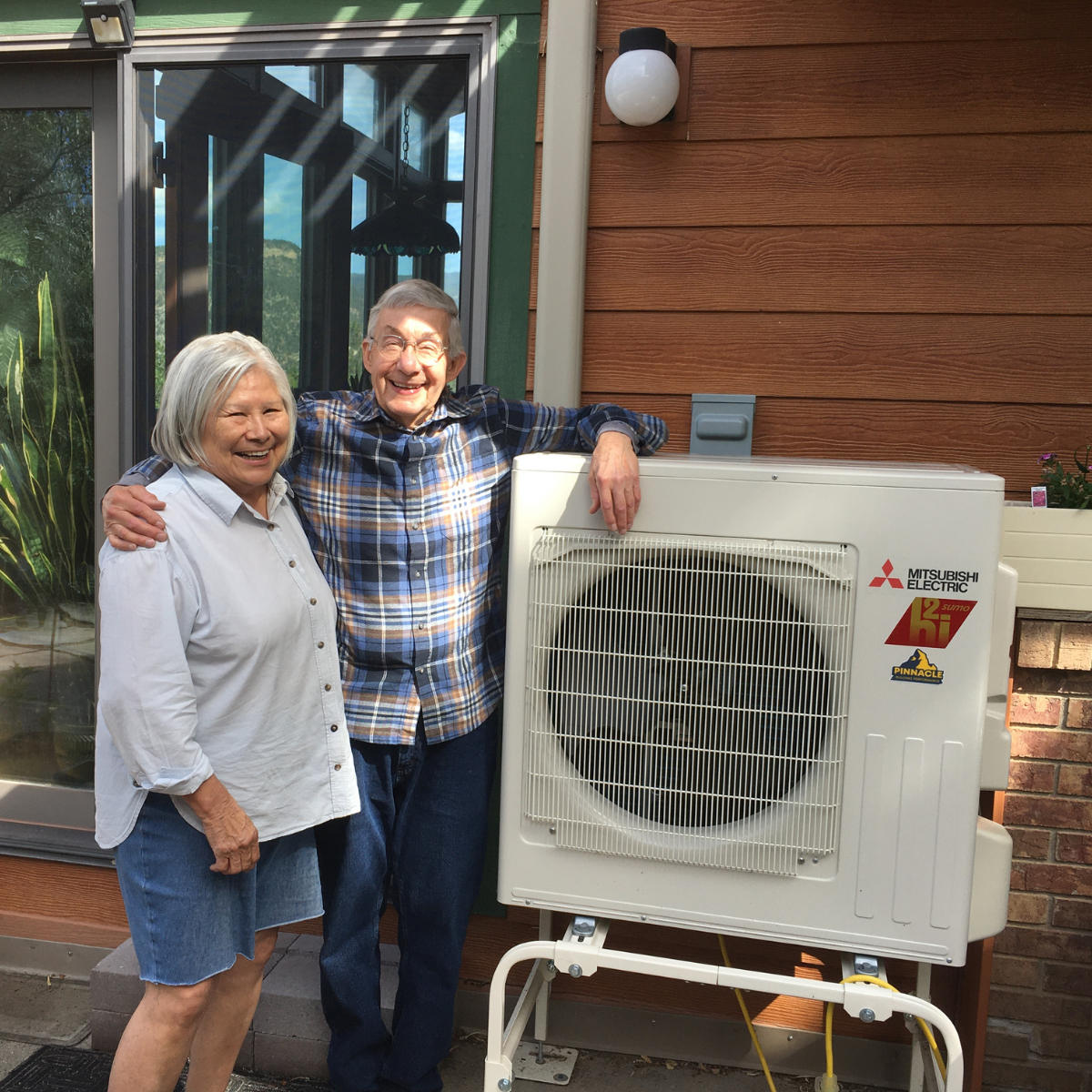

Creating a More Comfortable Forever Home

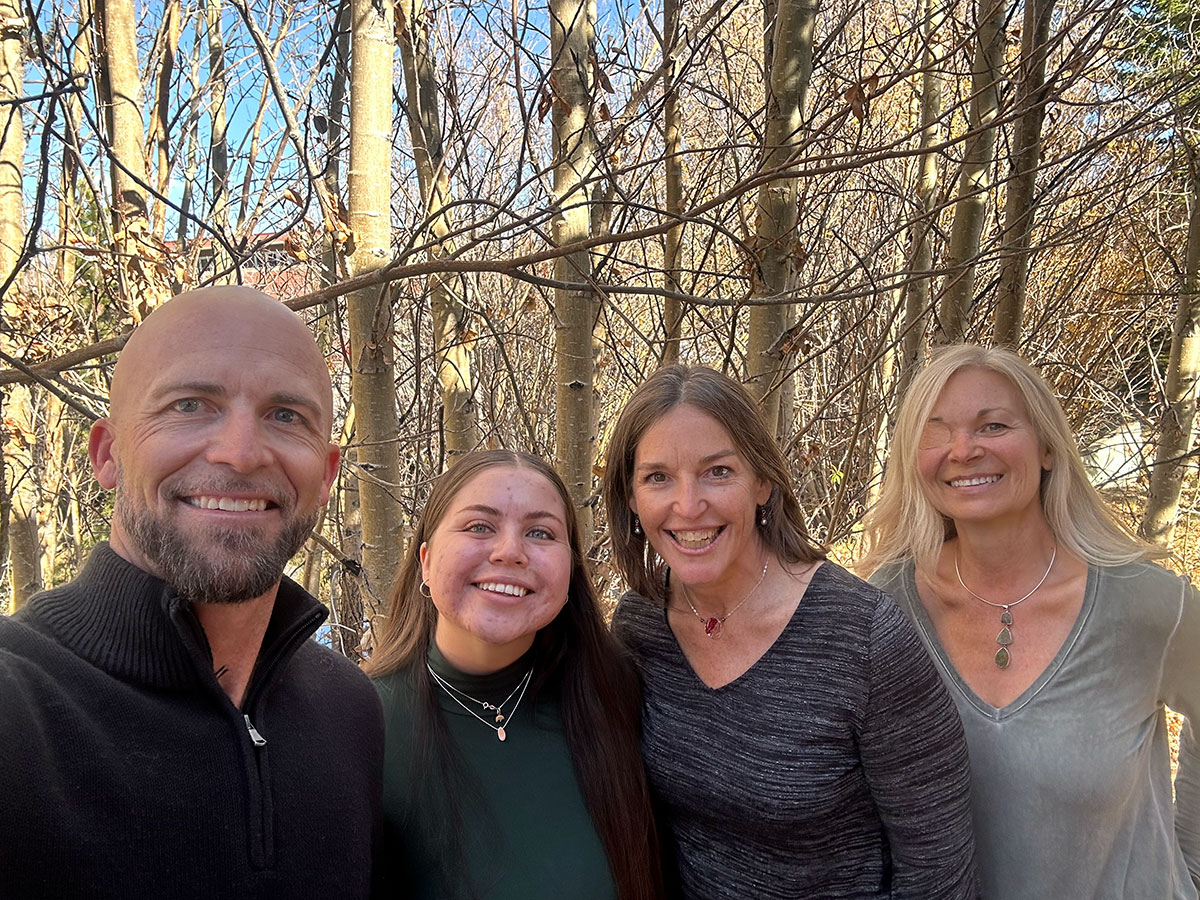
For Lorrie and Bob Goodman, improving their home’s energy efficiency was about more than lowering their energy bills. It was about finding practical ways to improve and create comfort in the home they plan to stay in for many years to come.

High Electric Bills

Bob and Lorrie’s home had relied on electric heating for decades, and winter electricity bills could reach $400 to $500 per month. The Goodmans had already been considering installing a cold climate heat pump, but they wanted to better understand how their home was performing and determine which improvements would make the biggest difference. An Energy Smart Colorado Home Energy Assessment provided those details.

Enrolling with Energy Smart

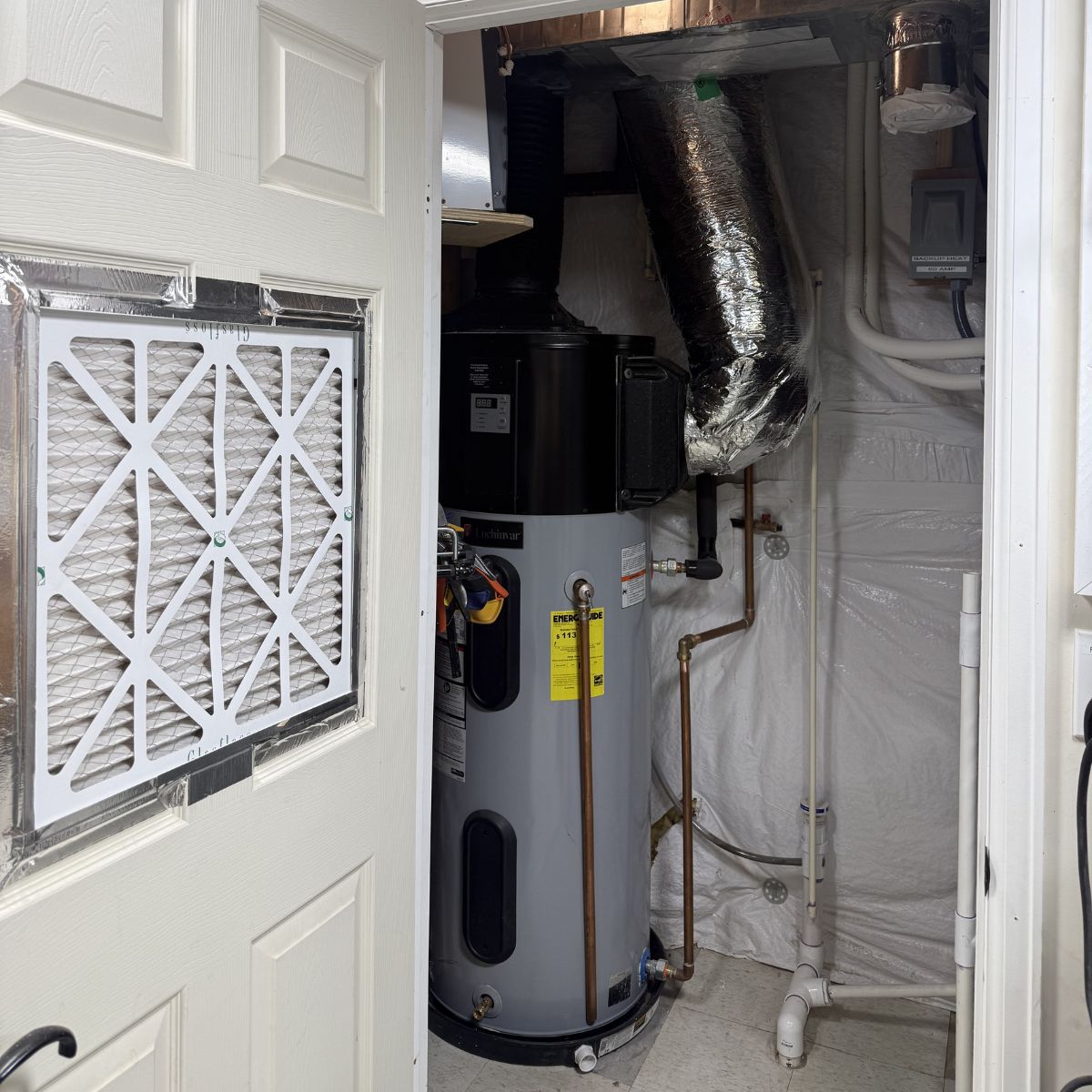
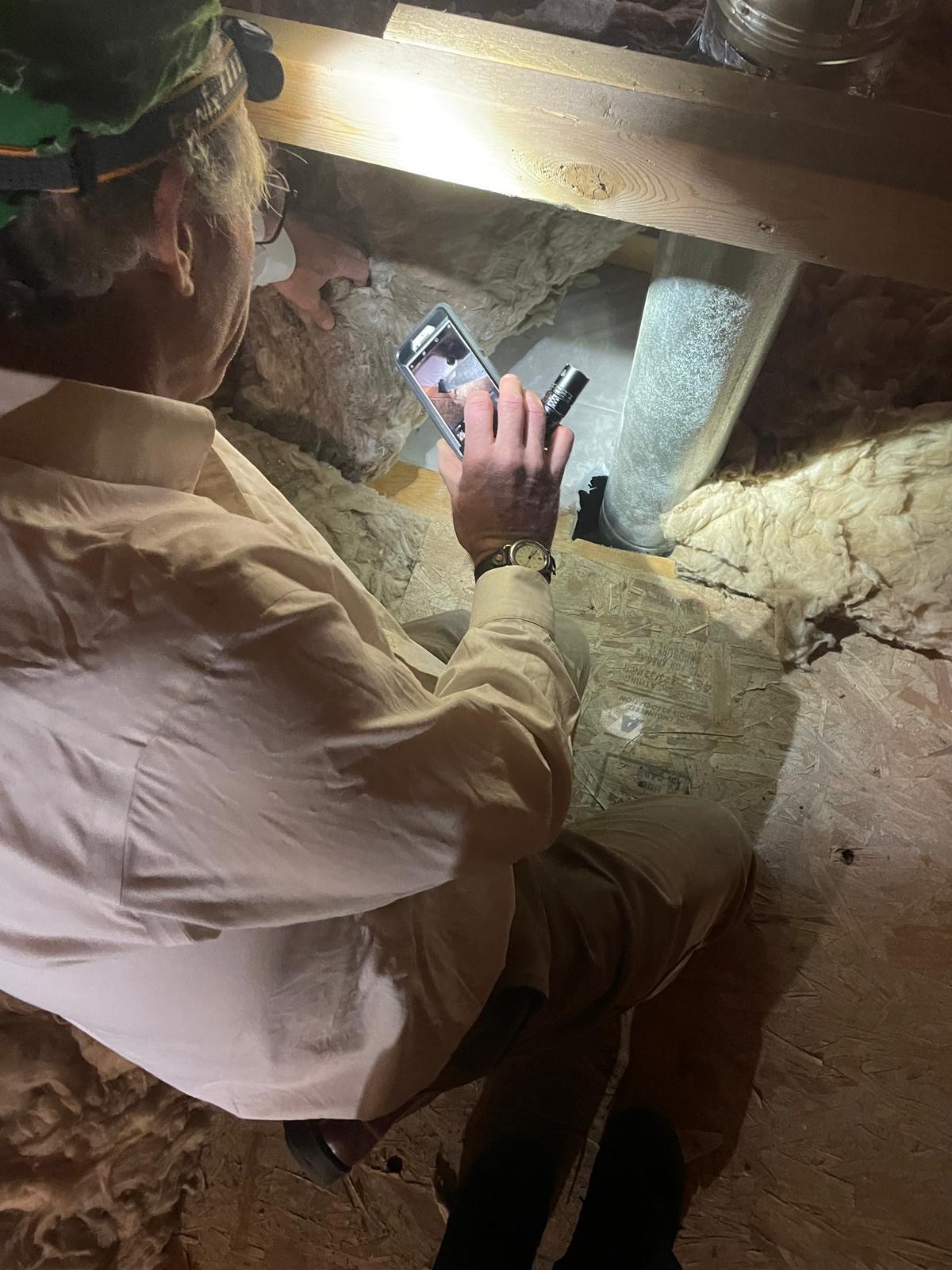
The Goodmans’ first interaction with 4CORE and Energy Smart Colorado was through requesting a home energy assessment. Upon enrollment, 4CORE connected the Goodmans with a local analyst who performed diagnostic tests throughout their home. During the visit, the analyst installed a water heater blanket, added pipe insulation to the hot water lines, and replaced incandescent light bulbs with energy saving LEDs. The hot water heater was set to the recommended temperature of 120 degrees. Each of these “quick fixes” were provided at no cost to the homeowners.

The assessment gave them a closer look at how their home uses energy and helped identify opportunities to improve its efficiency. The personalized report influenced their decision to improve their attic insulation and reduce air leakage around their doors and windows by sealing their doors rather than replacing them entirely. 

The assessment also reinforced something the Goodmans had already been thinking about: the potential value of replacing their electric baseboard heating system with a cold climate heat pump.

Finding a Better Way to Heat Their Home

The Goodmans had been considering a cold climate heat pump because their existing electric heating was expensive to operate. “We wanted to lower our electric bill in the winter and make the home more comfortable,” explained Lorrie.

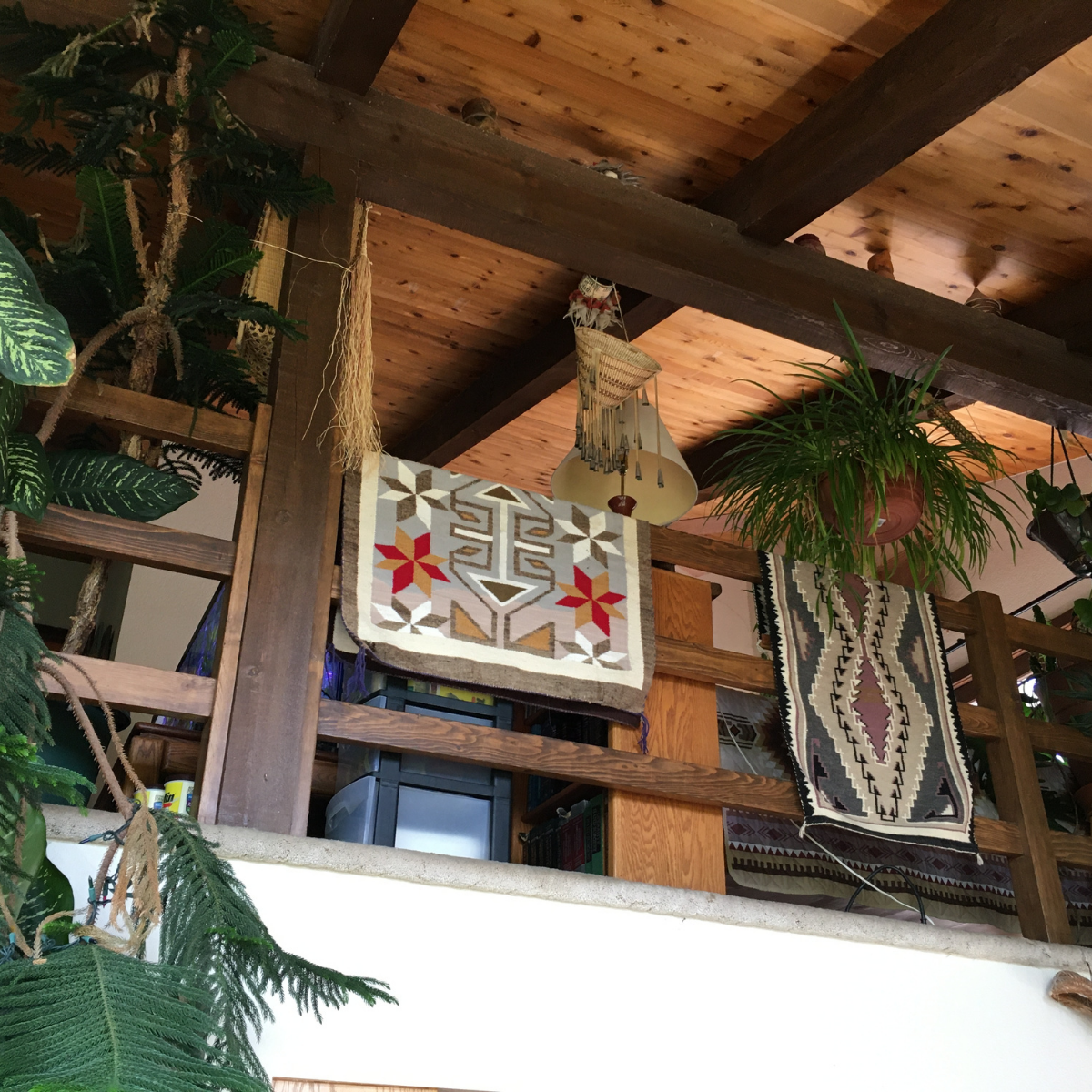
Their home’s open layout made the decision more complicated. With a large loft and areas of the home that experienced temperature variations, they weren’t sure whether a cold climate heat pump would be able to keep the entire home comfortable. But after considering alternate options, they decided the cold climate heat pump would meet their needs.

Less expensive heating was the primary driver for the decision. Cooling was less important because Lorrie had already developed her own strategy for keeping the home comfortable during the summer months. She opens the windows early in the morning while the outdoor air is still cool, lets the house warm during the day, and then opens everything again in the evening when temperatures drop. The new system has given them another mechanism for cooling when they need it.

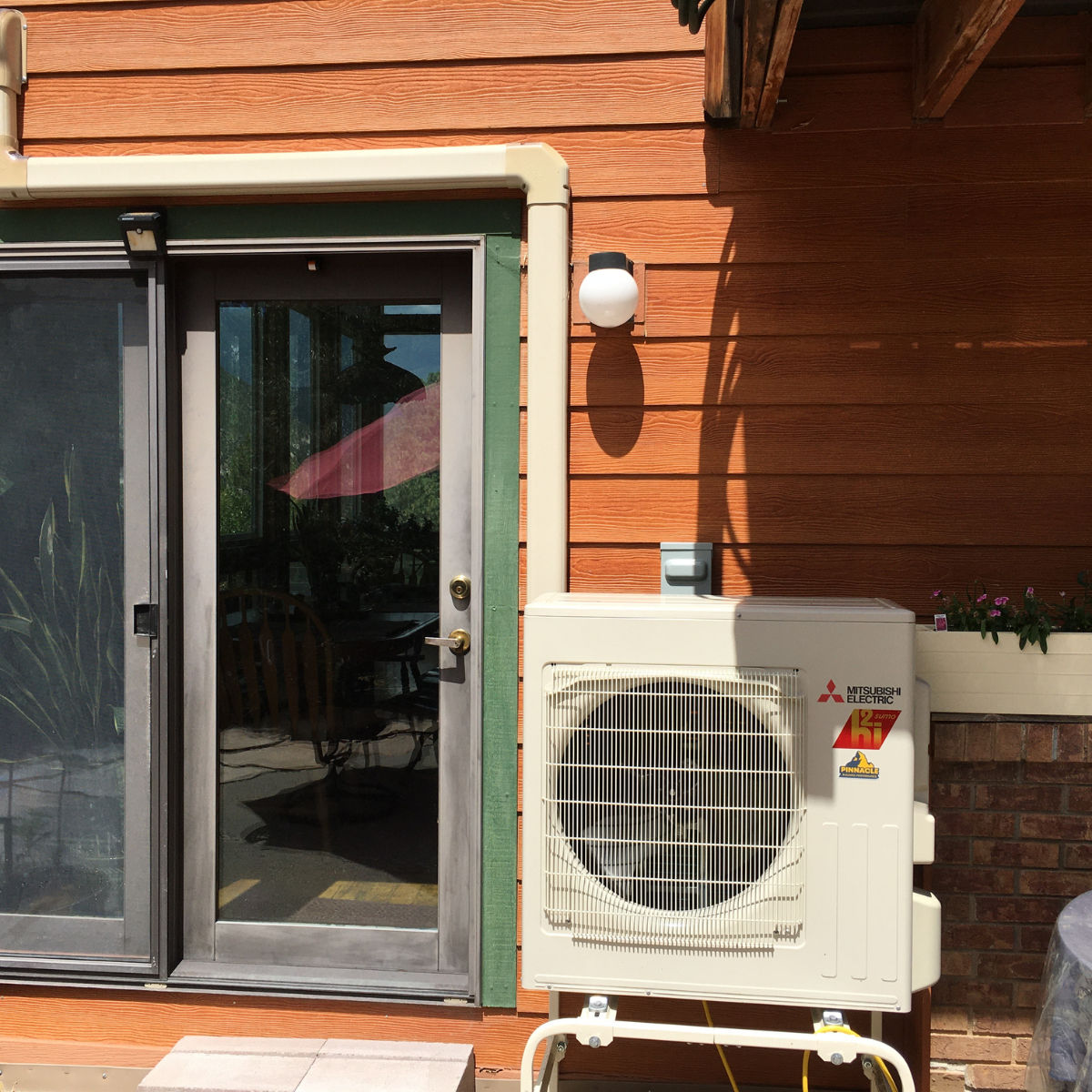
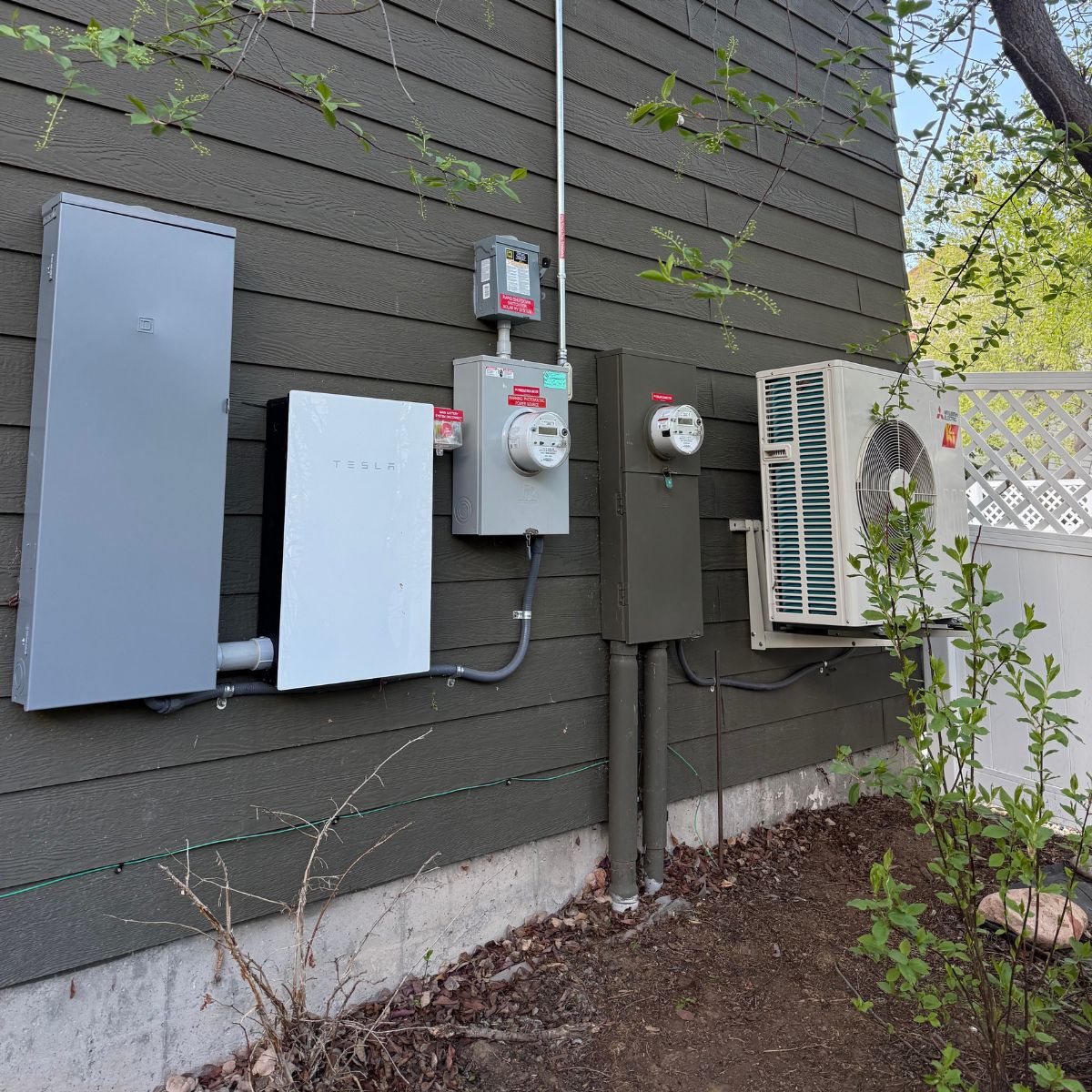
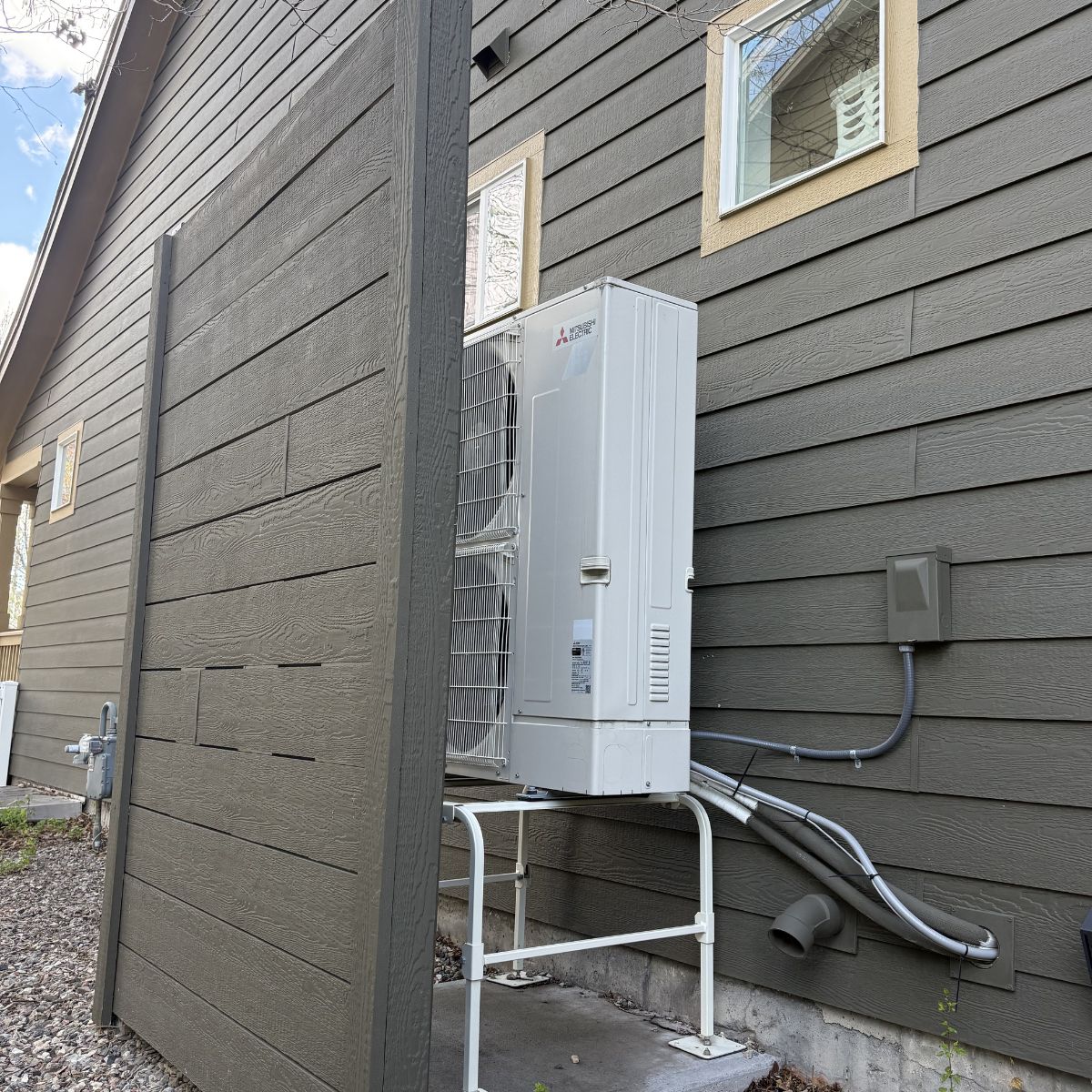
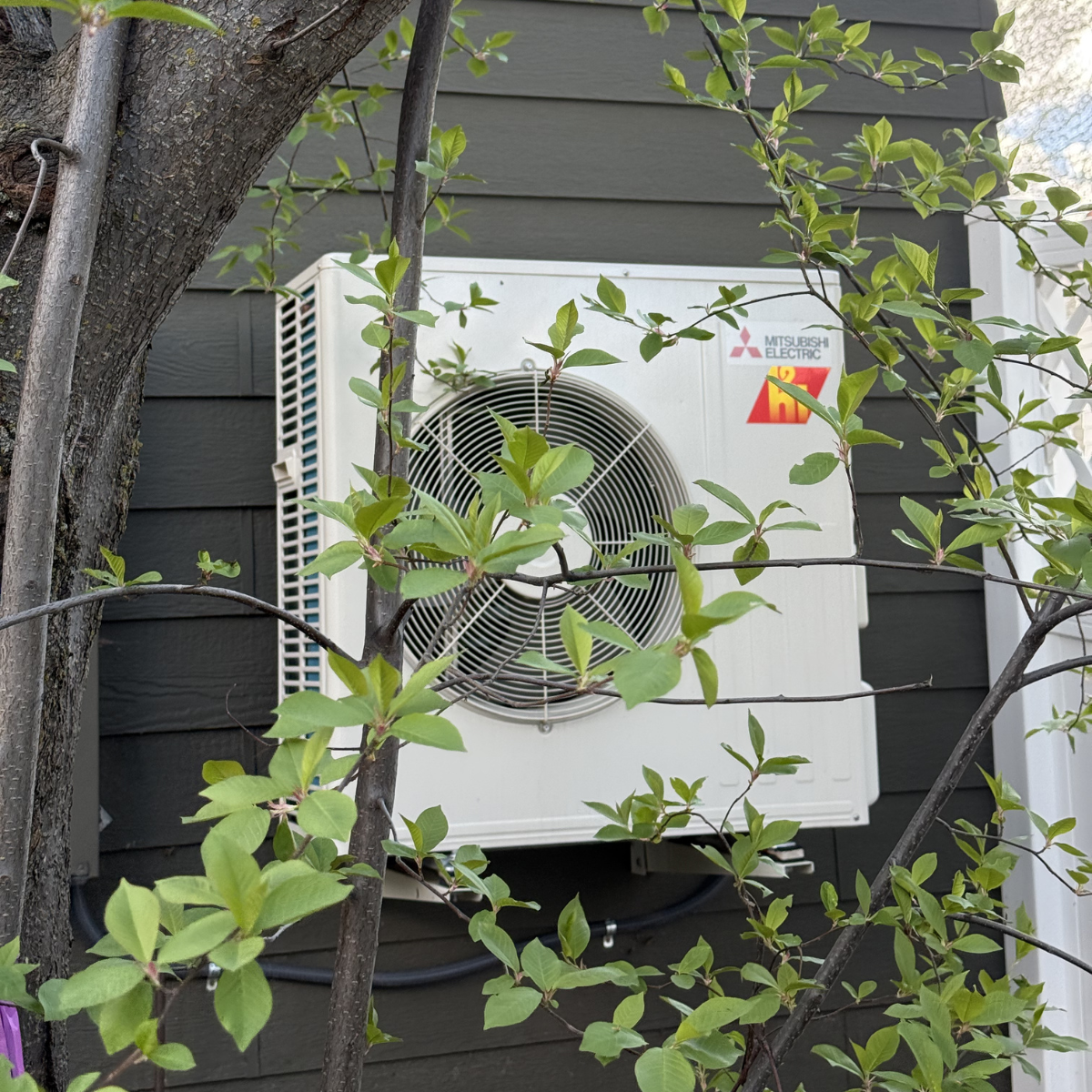
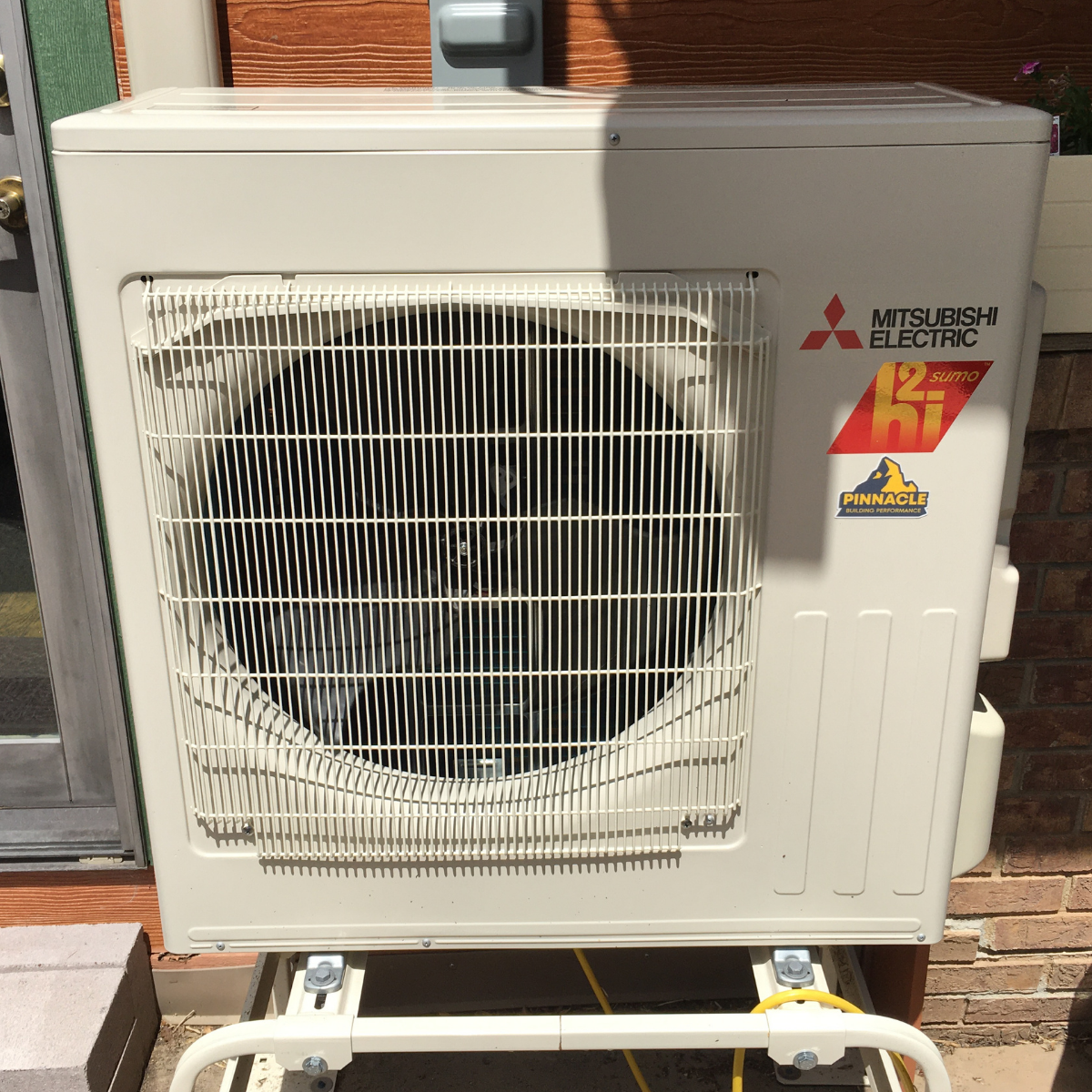
Once the Goodmans were connected with a local contractor, Pinnacle Building Performance, the heating system replacement came together quickly. The cold climate heat pump was installed in about six hours – an afternoon and the following morning.


““We were surprised by how easy the heat pump was to install.”

– Bob Goodman, Durango homeowner


More Comfort at Home

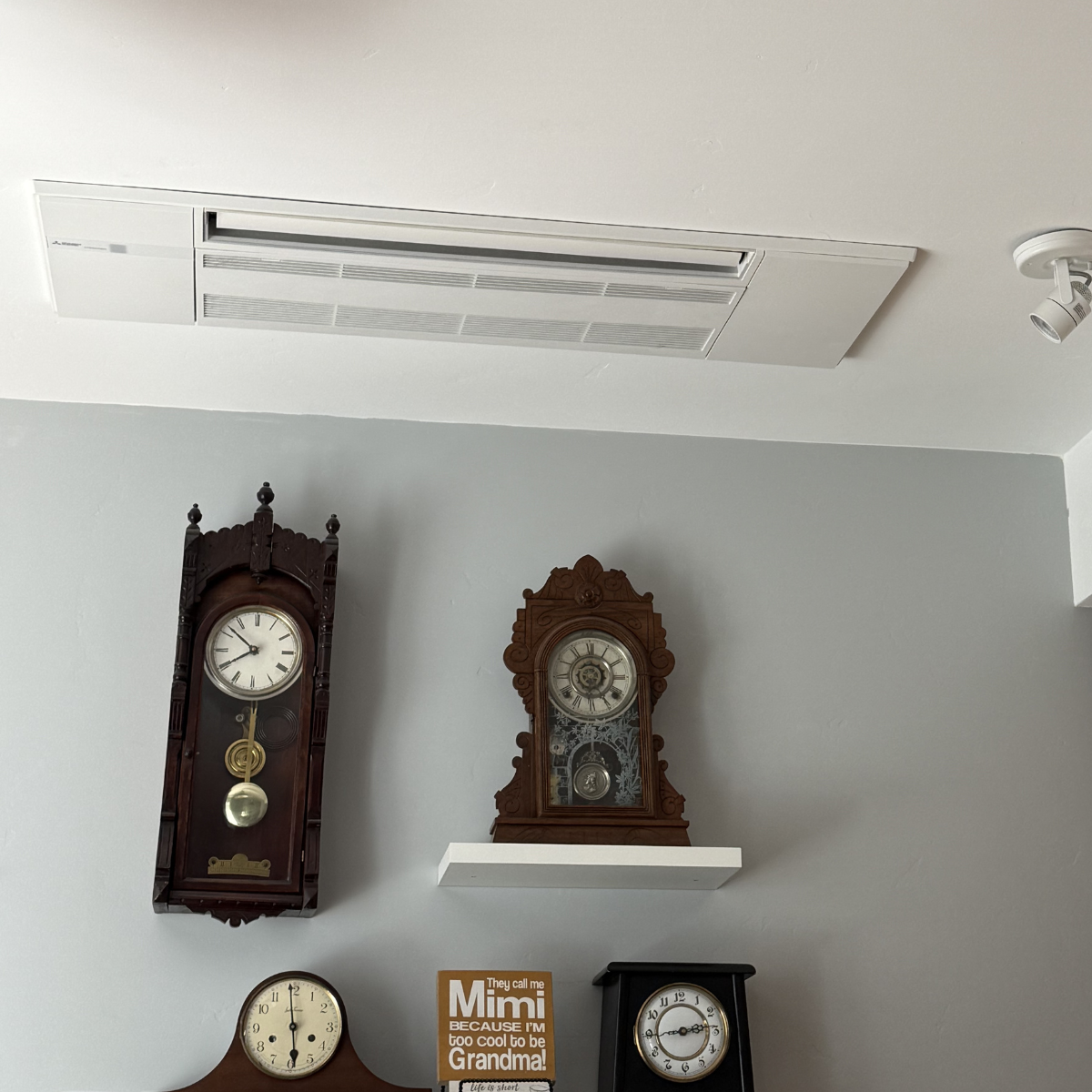
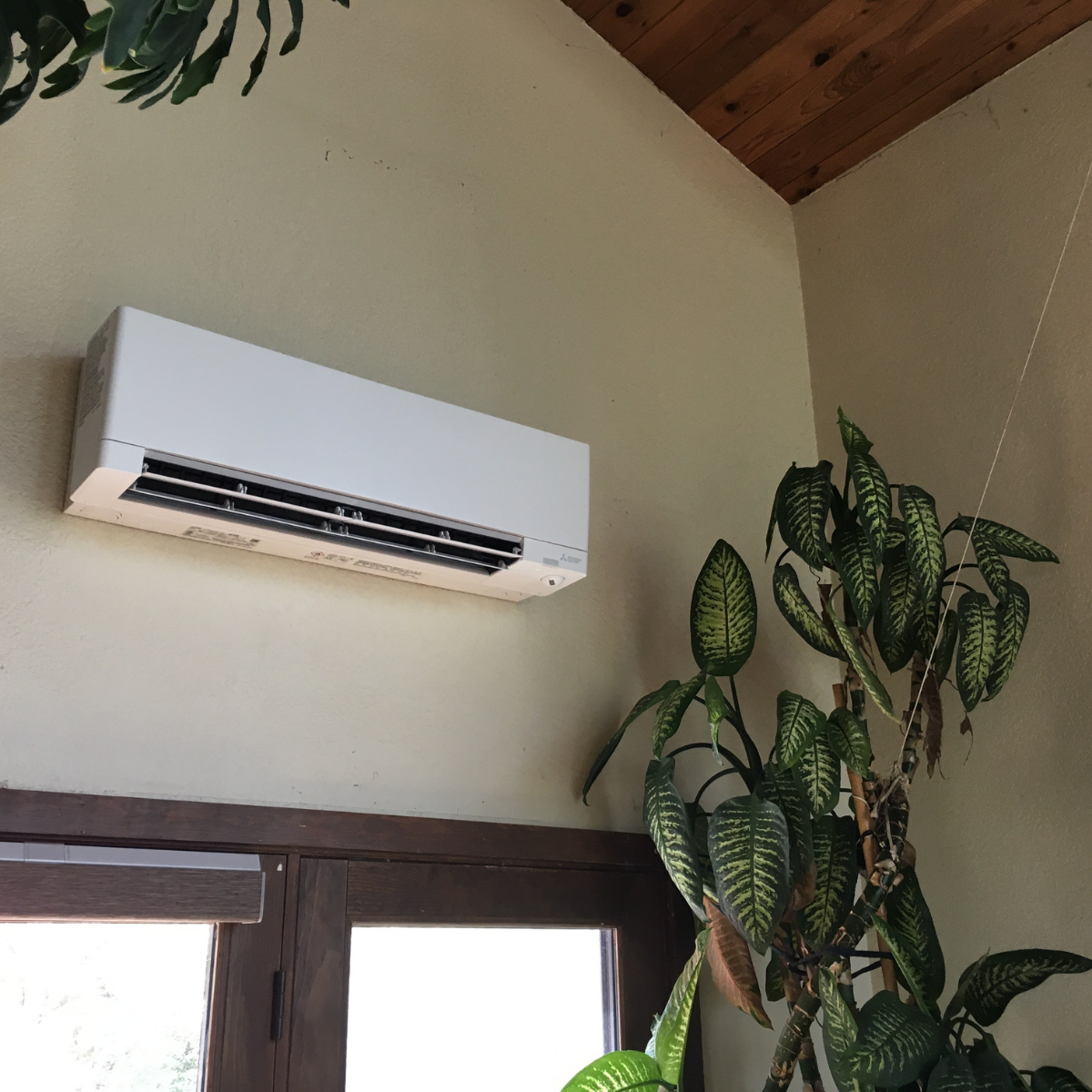
The Goodmans say the new heat pump system has helped make the home more comfortable throughout its different living spaces, including a partially underground entertainment room that tends to be one of the coolest areas of the house.

They have put the cooling system to work during hot weather. When temperatures reached around 88°F outside, Lorrie said the home was staying around 72°F using the system’s cooling function.

Making the Most of Available Incentives

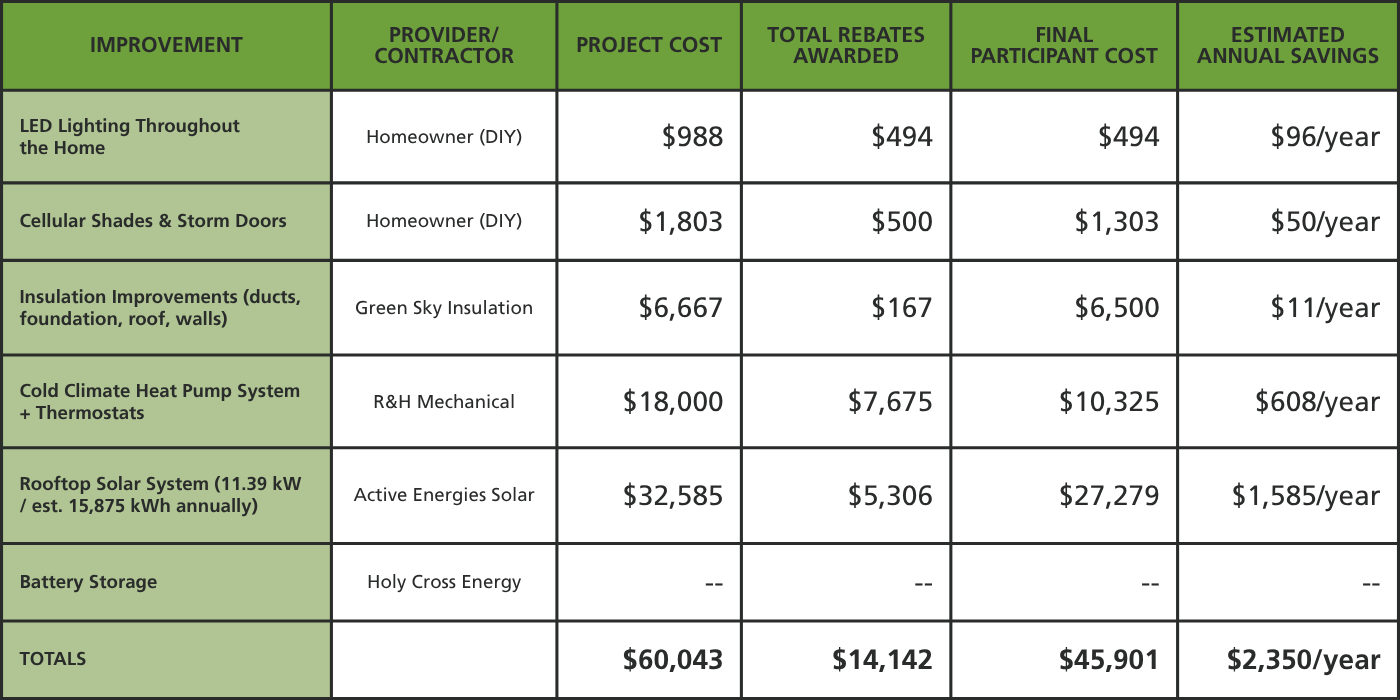
Financial assistance played an important role in making the project possible. The energy programs team at 4CORE helped the Goodmans understand the funding opportunities available in Colorado and identify rebate programs they could pursue. Stackable incentives from multiple sources significantly reduced their out-of-pocket cost.

The experience also taught them the importance of planning for the full scope of a home improvement project. Some of the smaller improvements ended up costing more than they initially expected, but overall, they said they were pleased with the outcome.

Advice for Other Homeowners

Since completing the retrofit, the Goodmans have advice for other homeowners considering an energy upgrade: start planning early.

Lorrie’s sister and brother-in-law recently installed solar and are also considering a heat pump. Hearing about how busy local contractors can become reinforced the importance of getting ahead of the process and making sure homeowners have time to research their options and available incentives. “It’s a good idea to start at the beginning of the year to get ahead of the queue for winter,” Bob shared.

For Lorrie and Bob, the process started with an Energy Smart home energy assessment that helped them better understand their home and identify where energy efficiency improvements could make the greatest impact. Today, their forever home is more comfortable, their heating system is more efficient and less costly to operate, and they have a clearer path for making additional improvements in the future.

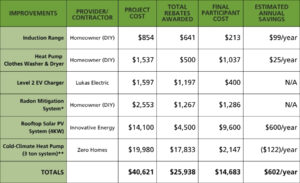
Costs, Rebates and Energy Savings

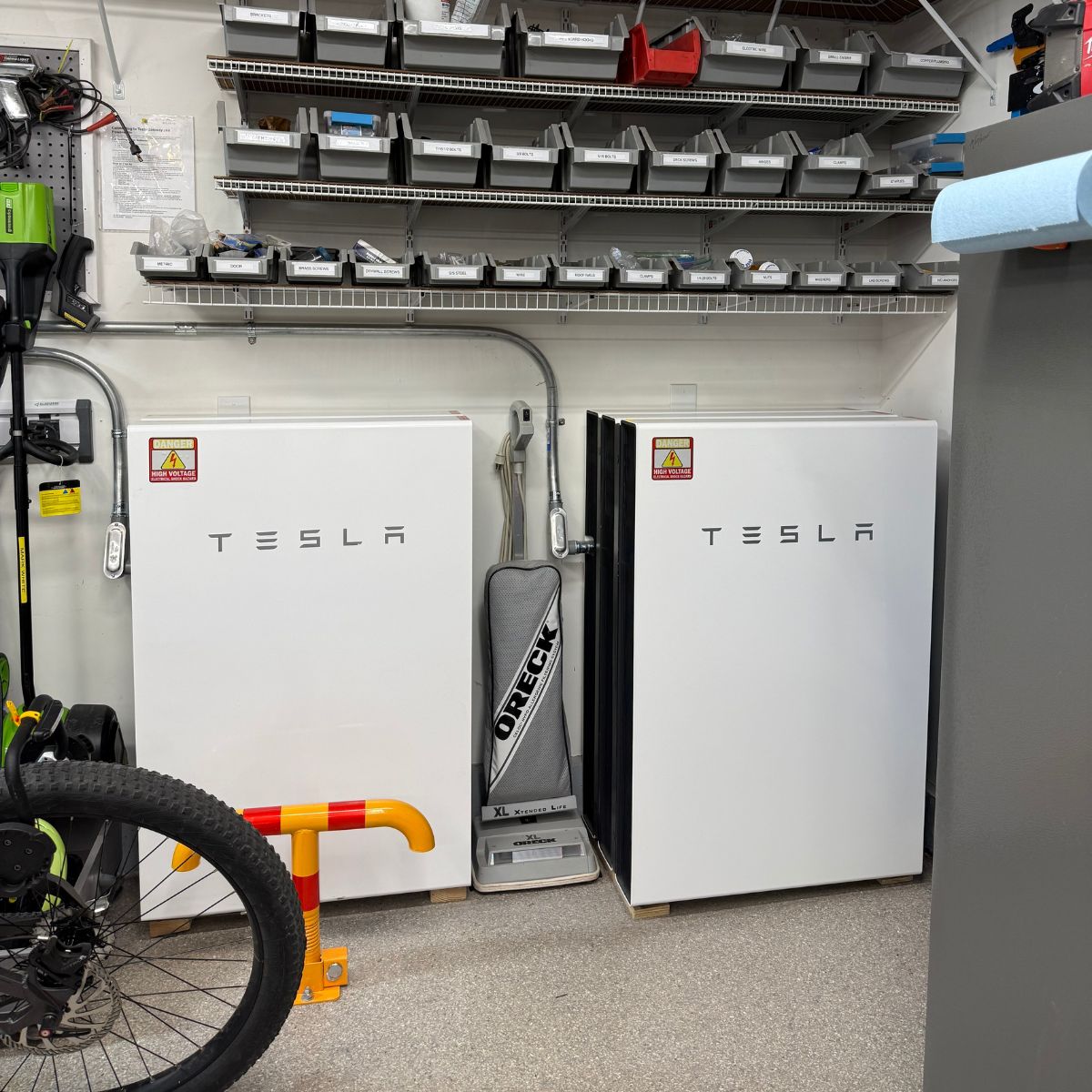
PHOTO GALLERY
Early Signs of Energy Savings

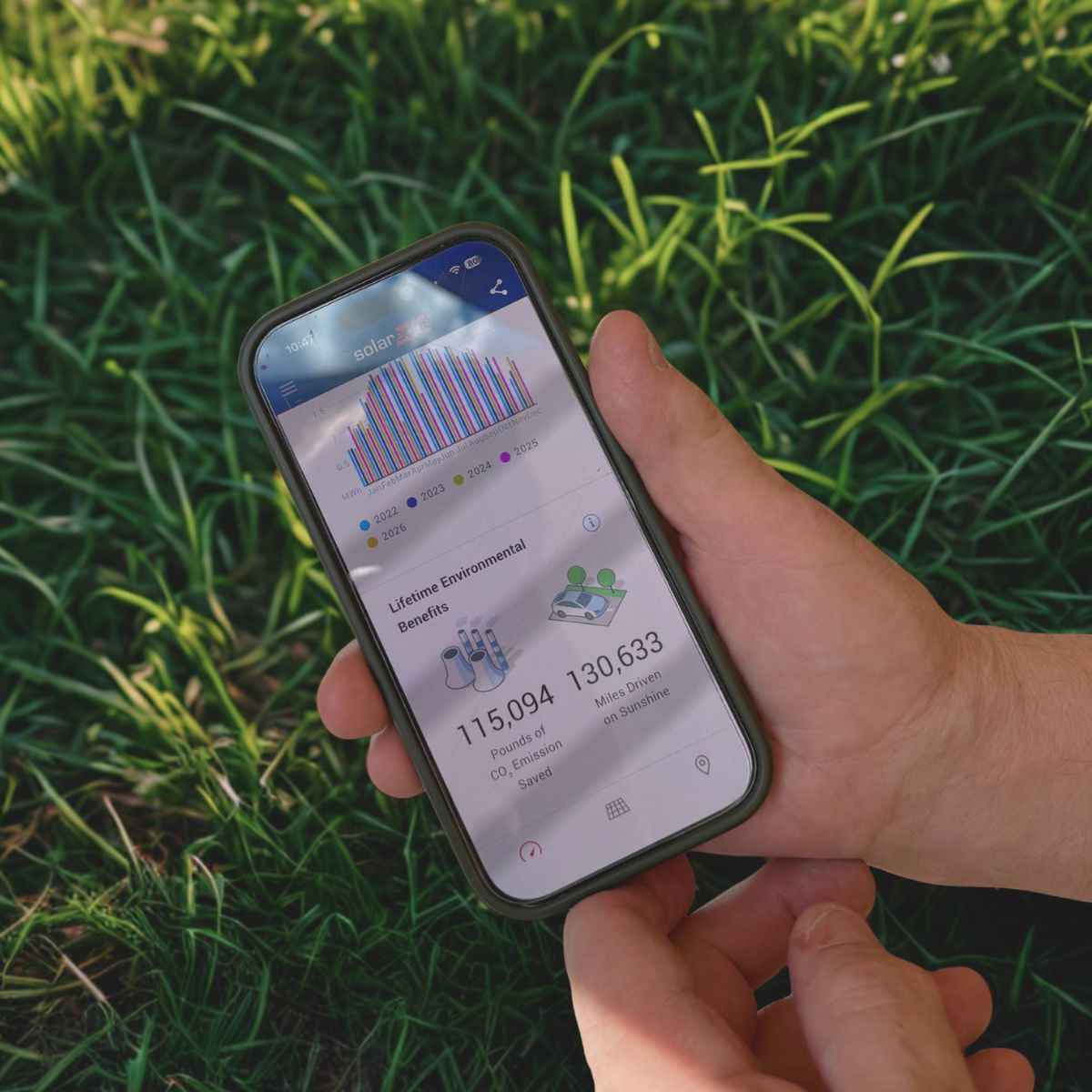
Lorrie has been carefully tracking the household’s electricity bills since 2022, giving the family a detailed record of their energy use over time.

Their initial utility bill comparisons show lower winter electricity costs and a slight increase in costs for their first summer with the cold climate heat pump.

“The $40 increase for this past July is probably explained by the fact that we have not had air conditioning for the previous 43 years,” Bob explained. “We will be happy to pay for the comfort the heat pump provides during the three hot summer months. We still open all the doors and windows in the early mornings and evenings when the outside temperature is less than the inside temperature.”

These early results are encouraging, but given the mild temperatures of the 2025/26 winter, the Goodmans are waiting to see how the system performs through a more typical cold Colorado winter. “We’re hoping for a normal winter to properly test the system,” Lorrie noted.

More Success Stories

Continue reading

Cameron & Erin, Breckenridge


Cameron Millard and Erin Allaman

When Cameron Millard and Erin Allaman purchased their home in Breckenridge in January 2025, they saw an opportunity to make strategic improvements that would increase comfort, improve indoor air quality, enhance resilience, and reduce long-term energy costs.

Built in 2002, the home was relatively well-constructed, but Cameron and Erin wanted to take advantage of available incentives and modern technologies to create a healthier and more efficient living environment for their family.

Starting with an Energy Smart Home Energy Assessment

The couple’s journey began with an Energy Smart home energy assessment through High Country Conservation Center (HC3). Energy Advisor Nick Byk conducted the assessment and helped identify opportunities for improvement.

Because they had already completed many basic efficiency measures—including installing LED lighting, air sealing key areas, and using low-flow aerators—there were no immediate quick fix measures identified during the visit. However, the assessment confirmed that the home could benefit from additional attic insulation and provided guidance for future upgrades such as heat pumps.


“The assessment helped validate what we’d already done and gave us confidence about what projects to prioritize next.”

– Cameron Millard, Homeowner


Investing in Rooftop Solar

One of the first major upgrades the family made was installing a 4-kilowatt rooftop solar system. The system was completed just before federal residential tax credits began to phase out, allowing them to maximize available incentives while reducing the household’s electricity costs. It has already delivered noticeable savings on electric bills and helps offset the energy used to charge their electric vehicle.

Improving Indoor Air Quality with an Induction Stove

As parents of a child with asthma, indoor air quality was an important consideration.

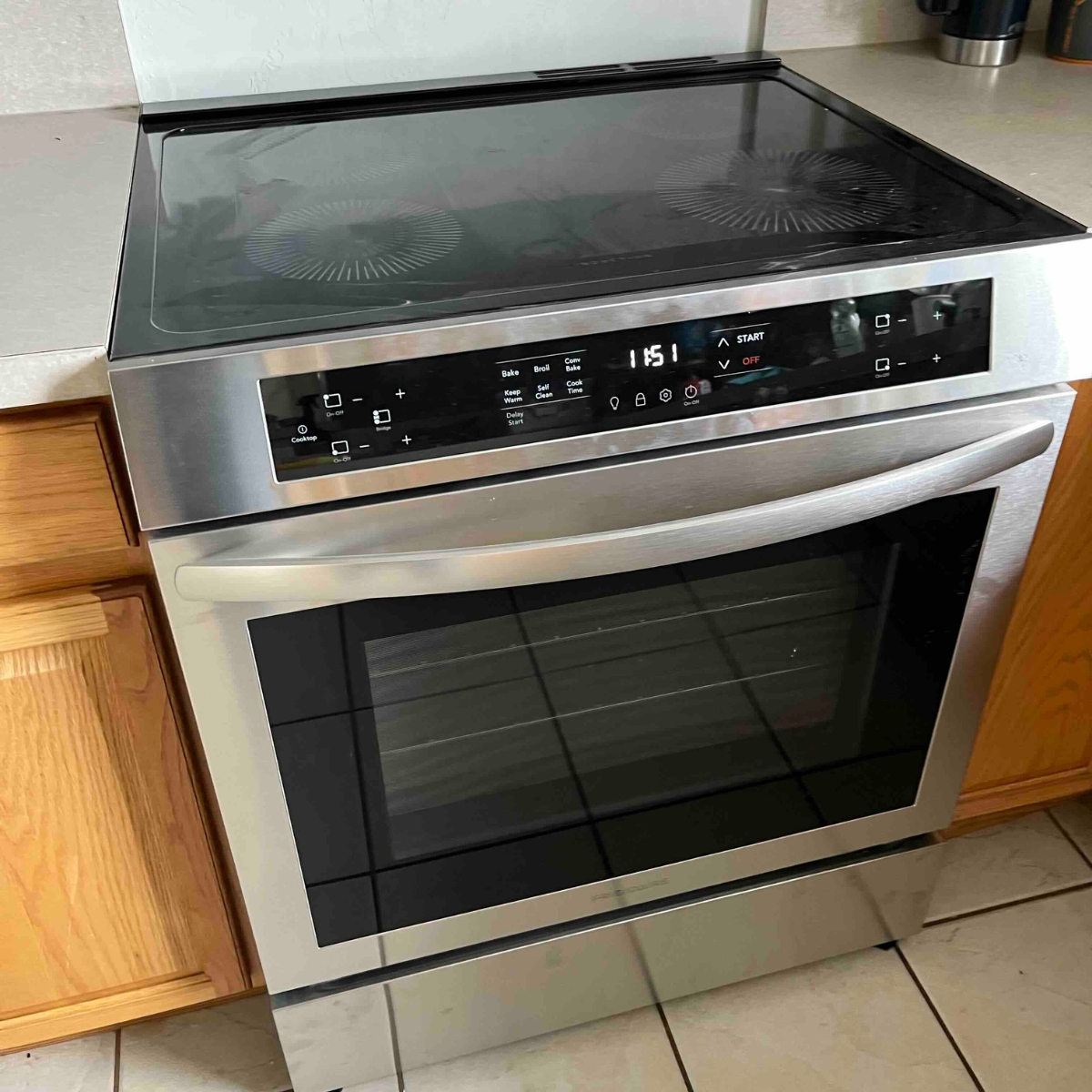
Because the home’s previous cooking setup did not vent outdoors, switching from a gas stove to an induction stove was especially appealing. By eliminating combustion from everyday cooking, the family reduced indoor air pollutants while gaining the speed and convenience of induction cooking. The upgrade supported their broader goal of creating a healthier home.

A Space-Saving Heat Pump Clothes Washer and Dryer

Another priority was installing an all-in-one heat pump clothes washer and dryer. The appliance improves efficiency while simplifying laundry. Unlike conventional dryers, the heat pump dryer requires no venting, uses significantly less energy, and offers greater installation flexibility.

“What I like about the single unit system is that it frees up space in the electrical panel, and you put your clothes in one time and they come out dry,” Cameron said.

Adding EV Charging at Home

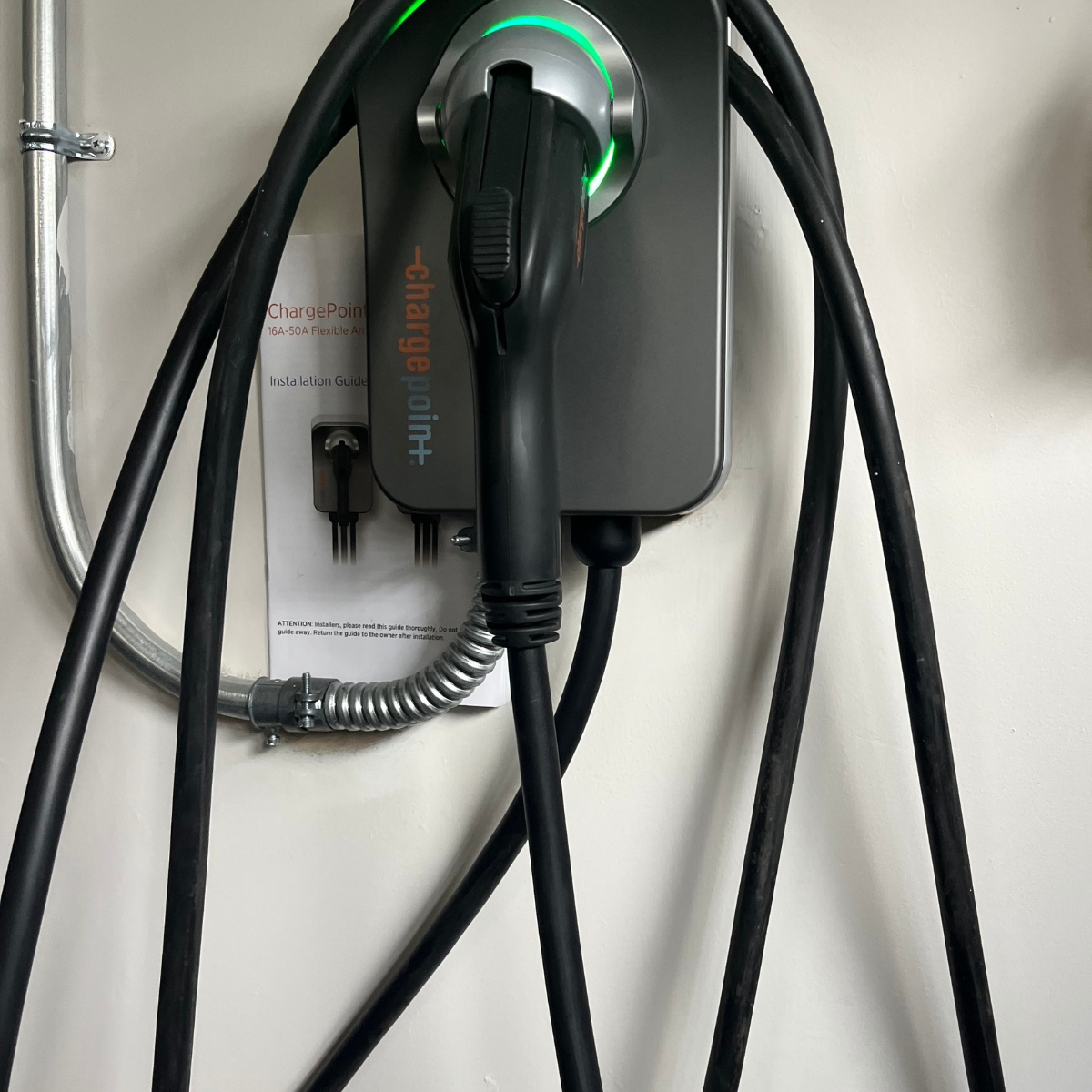
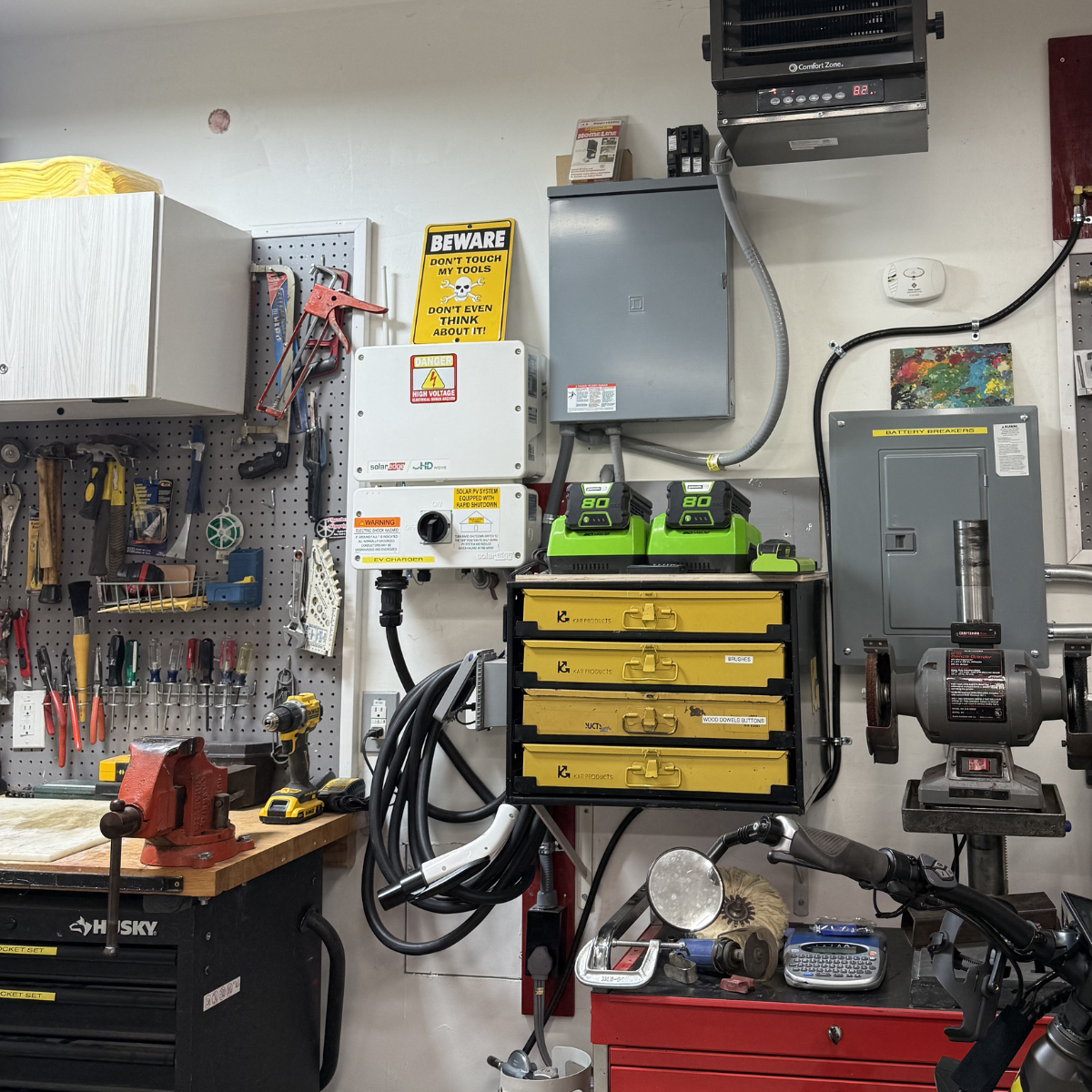
To support the family’s electric vehicle, an electrician installed a Level 2 charger in the garage. Paired with the home’s solar system, it makes daily charging convenient and cost effective while reducing reliance on gasoline-powered transportation.

Replacing an Aging Furnace with a Cold-Climate Heat Pump

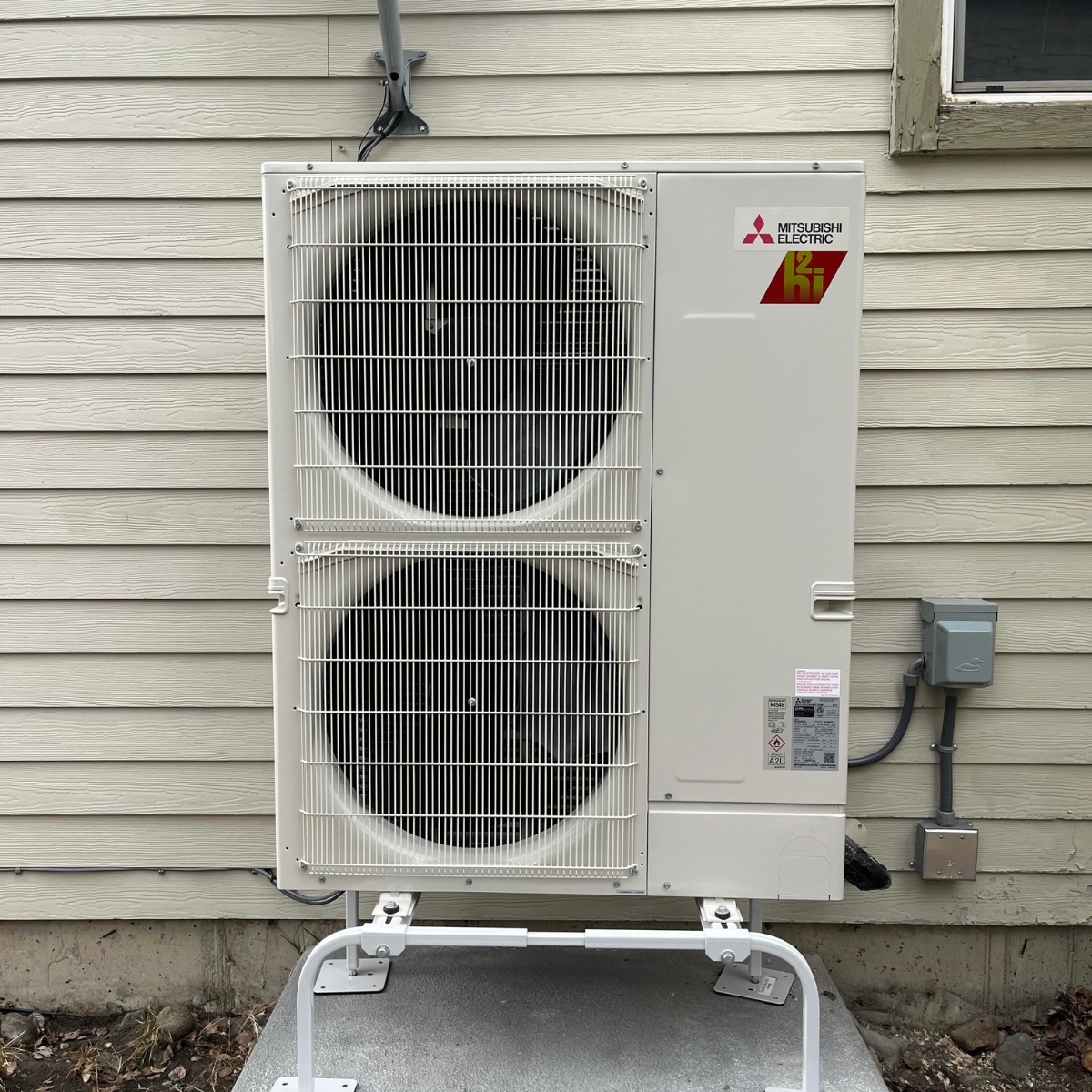
In 2026, Cameron and Erin tackled one of the home’s largest energy upgrades by replacing an aging natural gas furnace with a cold-climate heat pump.

The project took persistence. They reviewed five contractor proposals before selecting one that met their needs and came in about $4,000 lower than some competing bids. Bonus rebates from Xcel Energy’s Mountain Energy Project also made the project more affordable than installing a new furnace.

Their existing gas furnace was only about 80% efficient and had begun showing signs of corrosion.

“Getting rid of that old furnace was a big relief,” Cameron said.

The heat pump was installed in early April, giving the family a chance to test it during a cold snap in May 2026. Erin noticed an immediate difference. The system maintained comfort during the colder weather, and the family is appreciating its cooling capabilities in summer. Because it replaced both the furnace and an aging air conditioner, the installation was less complicated than expected.

The home still has a natural gas connection for a fireplace, but Cameron sees the heat pump as a major step toward reducing their reliance on fossil fuels.


“The heat pump seems like it runs at a more moderate pace, but the air is gentler and there’s a more consistent flow of circulation throughout the house.”

– Erin Allaman, Homeowner


Comfort, Safety, and Resilience

For Cameron and Erin, the benefits extend well beyond lower energy bills.

The upgrades have improved indoor air quality, created more consistent comfort, reduced dependence on aging equipment, and better prepared the home for future energy needs while providing a healthier environment for the family.

Looking Ahead

Cameron and Erin continue looking for ways to improve the home’s performance.

Additional projects include installing insulated window shades and exploring additional air sealing. Their next planned upgrade is an Energy Recovery Ventilator (ERV), which Cameron believes is one of the most valuable investments homeowners can make to improve indoor air quality while maintaining energy efficiency.

“An energy recovery ventilator is a really helpful air quality device that can benefit every home,” Cameron said.

Costs, Rebates and Energy Savings

Notes:
*Radon mitigation improves indoor air quality and home safety but does not produce energy savings.

**Cameron and Erin’s cold-climate heat pump installation qualified for enhanced rebates through Xcel Energy’s Mountain Energy Project, a non-pipeline initiative offering bonus incentives for electrification upgrades in response to natural gas constraints in Summit County. Although the heat pump’s increased electricity use results in a slight increase in annual utility bills, the upgrade is estimated to reduce natural gas consumption by approximately 751 therms annually and will significantly reduce fossil fuel use and greenhouse gas emissions while improving home comfort. 

PHOTO GALLERY

Cold-Climate Heat Pump

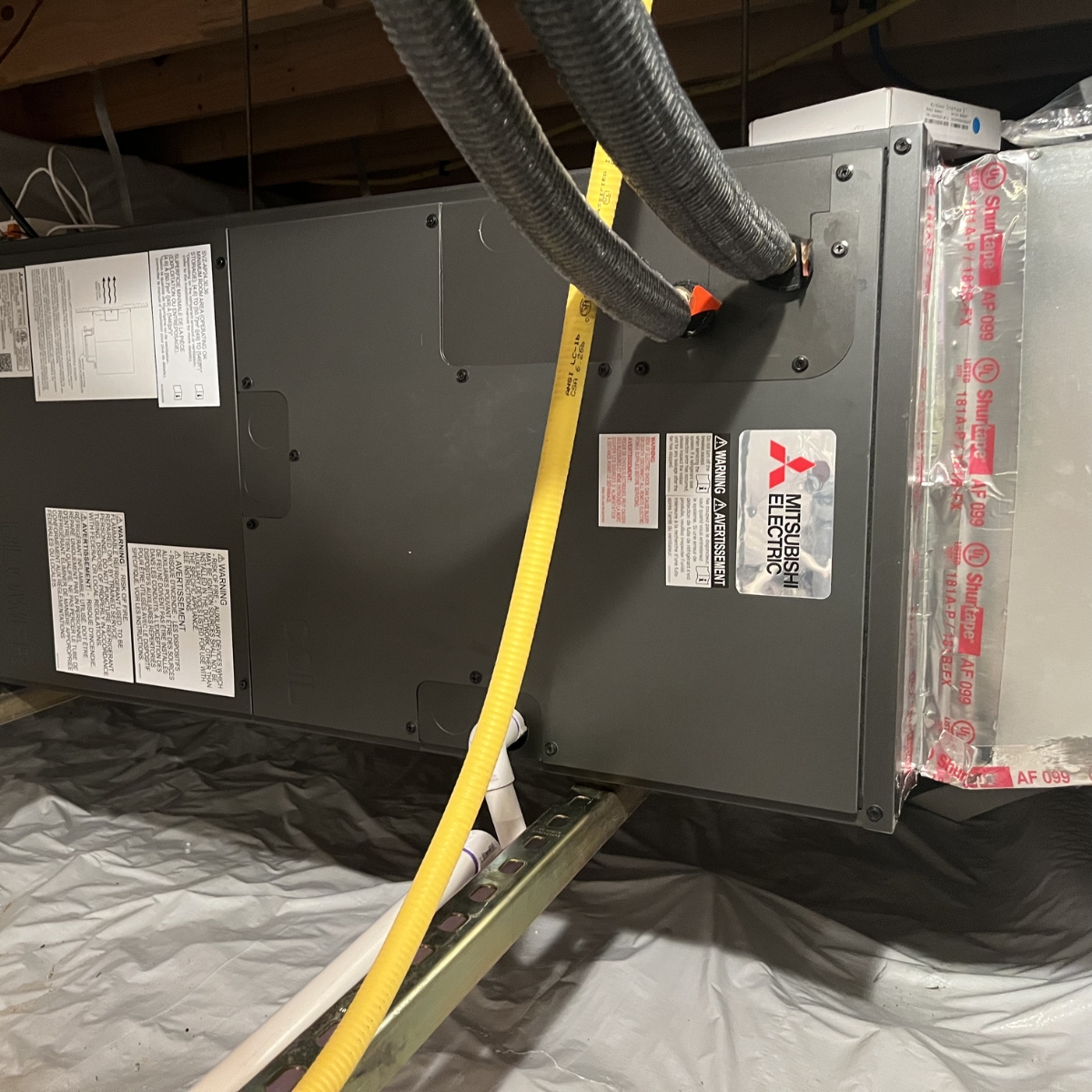
Indoor HVAC Unit

EV Charger

  • Induction Stove

    Induction Stove

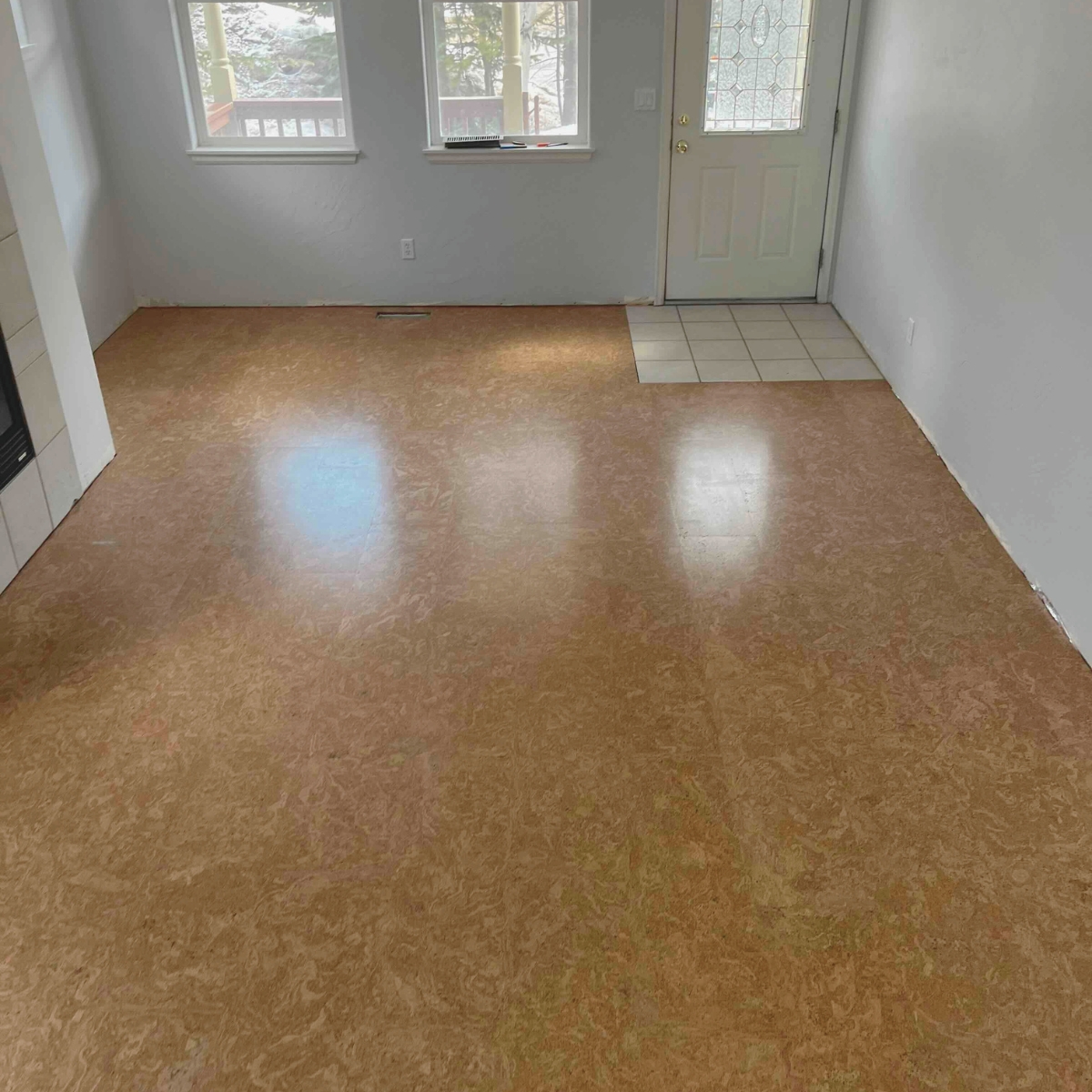
  • Corkwood Flooring

    Corkwood Flooring

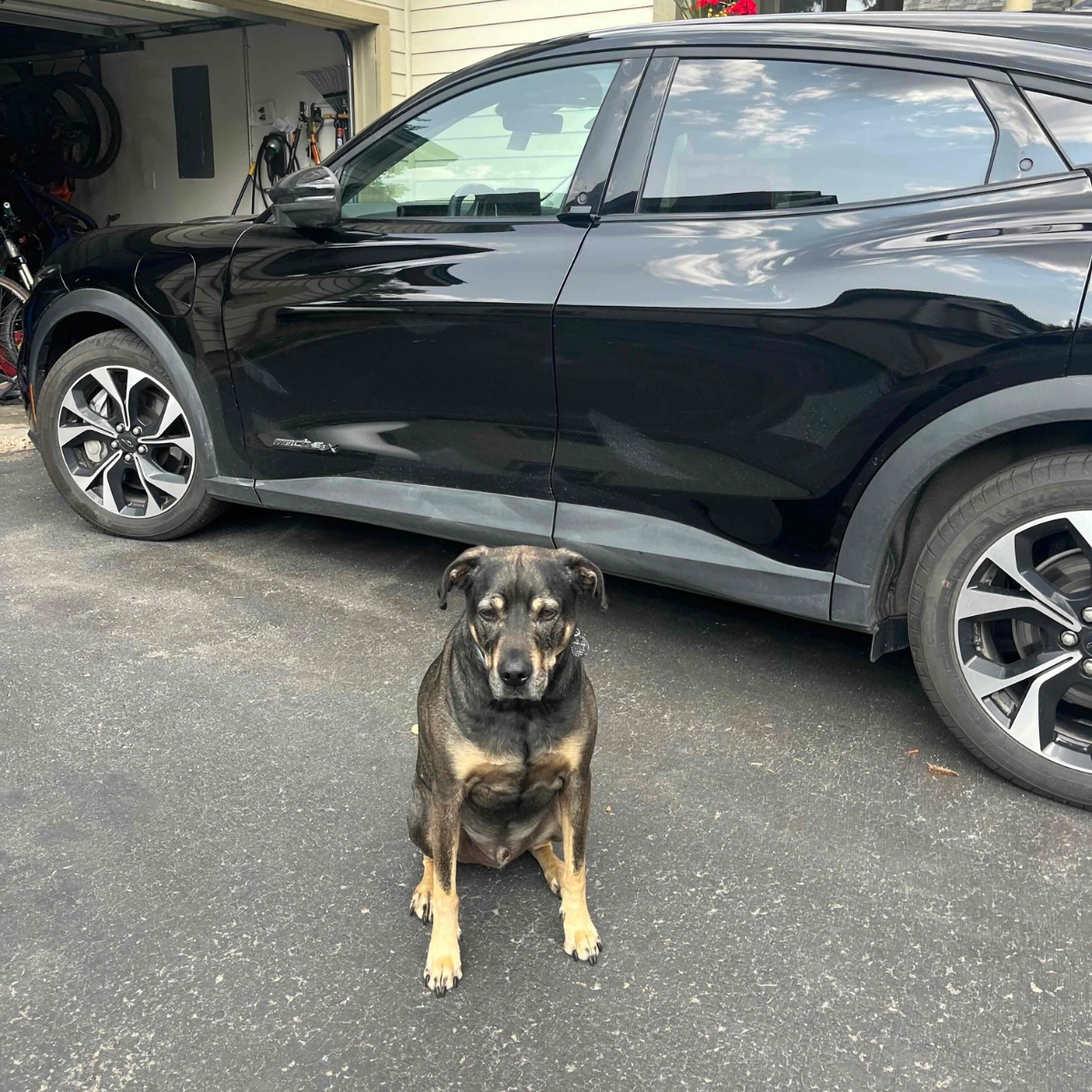
  • Ready to hop in the EV

    Two Paws Up for EVs

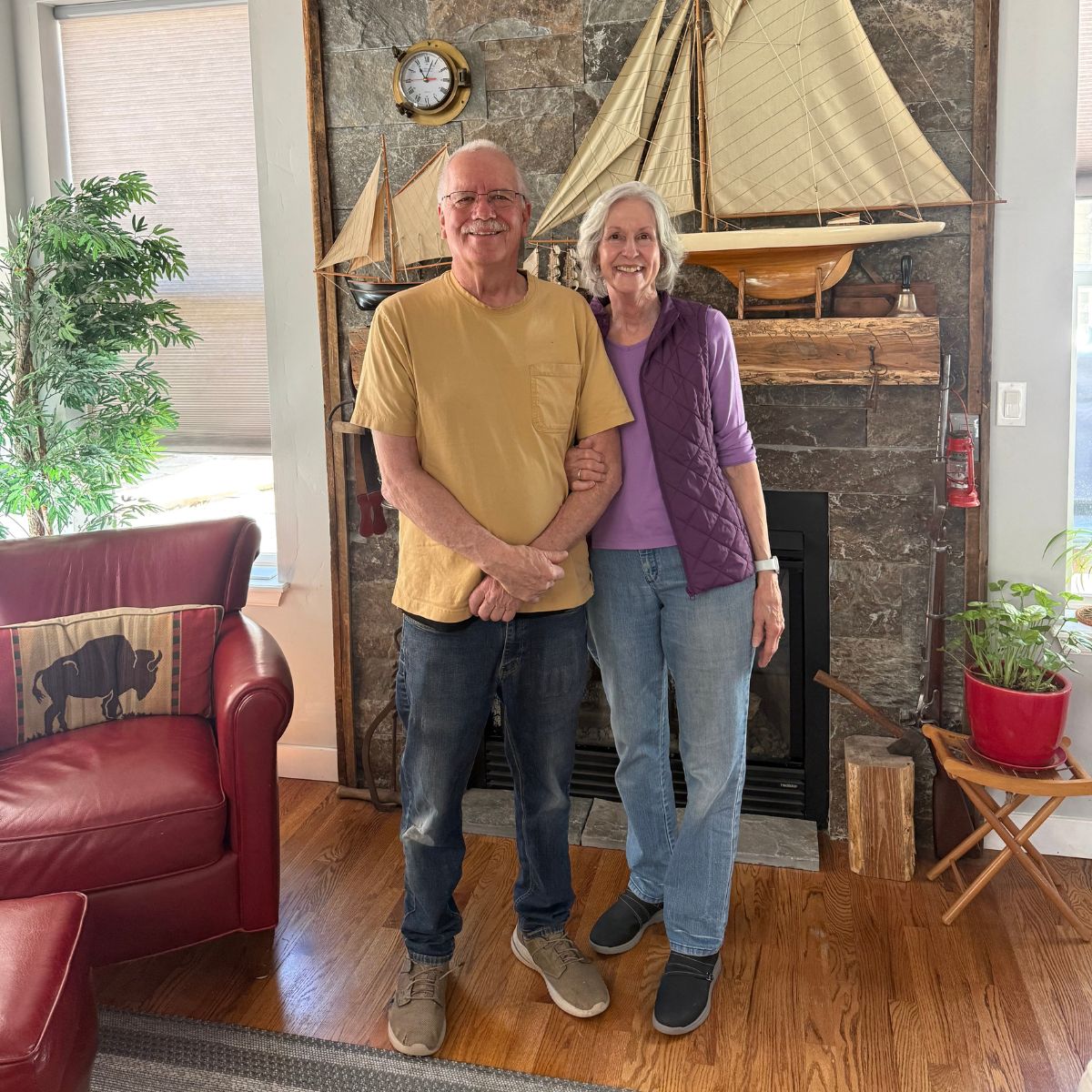
  • Family Picture

    Family Picture

A Long-Term Passion for Sustainability

Cameron and Erin’s interest in high-performance homes extends well beyond their current house.

More than a decade ago, they built a net-zero-energy home near Leadville featuring geothermal heating, sustainably sourced materials, thick insulated walls, and triple-pane windows. The home continues to perform well and now serves as a long-term rental for Lake County residents.

That experience, along with Cameron’s certification as a Building Performance Institute Building Analyst, shaped their understanding of building science and continues to influence the decisions they make today.

For Cameron and Erin, energy efficiency isn’t just about lowering utility bills—it’s about creating a healthier, more comfortable, and resilient home for the long term.

More Success Stories

Continue reading

Mark & Ellen White, Eagle


Mark and Ellen White

When Mark and Ellen White moved from Virginia to Colorado in 2020 to be closer to their daughter, they weren’t planning to take on a major home energy project. But after settling in, the opportunity to improve comfort, efficiency, and long-term livability in their Eagle, Colorado home quickly took shape.

With guidance from family expertise and support from local programs, the White residence became a high-performing, energy-efficient home.

Starting with an Energy Assessment

Like many homeowners, their journey began with an Energy Smart home energy assessment through Walking Mountains. The audit confirmed that the home was in relatively good condition but highlighted a few opportunities for improvement.

Completing the assessment first helped guide decisions as renovations moved forward and ensured that upgrades were done in a strategic, coordinated way and met available rebate guidelines.

Energy Plan of Action

The White household approached their upgrades in phases, combining structural improvements with mechanical and efficiency upgrades. Key improvements included:

One of the most impactful improvements was duct sealing. Leakage was reduced from approximately 15 percent to 2 percent, improving system performance and noticeably reducing dust in the home. “When the work was done, we could tell the difference right away. The house just feels tighter and cleaner,” Mark noted.


“We are very pleased with how everything came together. The house is quiet, comfortable, and efficient, and the battery system has already proven its value during an outage.”

– Mark White, Eagle, Colorado homeowner


From Gas Heating to Cold Climate Heat Pump

Replacing the original natural gas furnace with a cold climate heat pump system was a major step. The home’s heating is now served by multiple zones, located in the main house, breezeway, and the ADU (Accessory Dwelling Unit).

The homeowners say one of the biggest differences is how quiet the system is compared to their previous furnace. Day-to-day use is simple, with the thermostat rarely needing adjustment. “We set it and forget it,” Ellen said.

Solar, Storage, and Energy Resilience

The solar installation, paired with battery storage, has already proven its value. During a power outage that affected much of the surrounding area, the White household remained fully powered without interruption.

While many upgrades focus on efficiency and cost savings, this experience highlighted another key benefit: resiliency.

Comfort Gains Beyond Equipment

Not all improvements were mechanical. The homeowners also added an exterior awning, which helps reduce solar heat gain in the summer and improves comfort both indoors and outdoors. Combined with air sealing and insulation upgrades, these smaller changes contributed to a noticeable increase in comfort throughout the home. 

Much of the interior work was completed by Mark himself, with help from family. With a background in carpentry and strong hands-on skills, he was able to take on a significant portion of the work. This not only reduced overall project costs but also highlights how homeowners with the right skills can meaningfully contribute to their own upgrades.

A Practical Approach to Energy Efficiency

While the home includes many advanced upgrades, Mark and Ellen were clear that they are not aiming for full electrification. They plan to keep their fireplace and gas stove, prioritizing comfort and lifestyle preferences.

Their experience highlights an important takeaway: meaningful improvements do not require an all-or-nothing approach. Homeowners can make significant progress toward efficiency and performance without eliminating every gas appliance.

Lessons Learned

Mark and Ellen emphasized that these energy upgrades were an investment. Over time, they saved and planned for the work, with the goal of improving their forever home, the place they intend to retire and continue building their lives. For them, the investment has been well worth it, not only for the comfort and performance of the home, but for the long-term value it brings.

They love living in Colorado and being part of their community, and their project has already had a ripple effect. Some neighbors have begun following in their footsteps by installing solar panels and exploring other energy improvements of their own.

Costs, Rebates and Energy Savings

PHOTO GALLERY


More Success Stories

Continue reading

EMMA KARLOK

Emma Karlok joined Energy Smart Colorado as Workforce Development Manager in February 2026. Emma brings experience working with federal, state, and non-profit organizations to support sustainability and conservation initiatives within Colorado. In addition to her work in sustainability, Emma has worked in outdoor education, youth empowerment, wildlife biology, and community outreach.

Emma earned her Bachelor’s Degree in Environmental Studies with a focus on Sustainability from the University of North Carolina at Chapel Hill. She lives in Salida and enjoys mountain biking, rafting, practicing yoga, and creating functional ceramics.

Email: Emma@EnergySmartColorado.org

Making Energy Efficiency Easier Across Colorado: Meet Energy Smart Colorado


Making Energy Efficiency Easier Across Colorado

Energy Smart Colorado (ESC) was created with a simple goal in mind: to help people across Colorado make their homes and businesses more energy efficient—without breaking the bank.

It all started in 2010, when Eagle County, Pitkin County, and Gunnison County teamed up with local nonprofits to launch a program that brought energy efficiency services to their communities. What began as a federally funded pilot has grown into something much bigger. By 2014, Energy Smart Colorado officially became a nonprofit organization, committed to helping Coloradans save energy, money, and the environment.

A Partnership for Sustainability

Today, Energy Smart Colorado is a regional collaboration of 11 community partners working across 20 counties. Together, we make it easier for homeowners and businesses to understand their energy use, make smart upgrades, and get access to tools like rebates, incentives, on-bill repayment programs, and trusted contractors.

So, how does it work?

Energy Smart Colorado provides:

  • Home energy assessments to identify how buildings are using energy
  • Personalized coaching and upgrade recommendations
  • Access to rebates, financing, and trusted contractors

Our remote team supports this network from across Colorado, working behind the scenes so that our local energy efficiency partners can focus on serving you directly. They’re your neighbors—the people in your community who are here to help you take the next step.

We know that energy use can feel like a complicated or even intimidating topic—but it doesn’t have to be. Our job is to break it down, simplify the process, and connect you with real solutions that make sense for your home, your budget, and your goals.

Ready to get started? Meet your local Energy Smart partner here.


“Energy doesn’t have to be an intimidating topic, we make it easy for everyone to understand and take meaningful steps toward saving energy and money.”

– Estefania Godoy, Regional Outreach and Marketing Coordinator, Energy Smart Colorado


About Energy Smart Colorado

Energy Smart Colorado (ESC) began in 2010 as a federally funded program to provide energy efficiency services to residences in the central mountain region. The program was created and delivered by Eagle County, Pitkin County, and Gunnison County working collaboratively with their community-based non-profit partners.

In 2014, the program incorporated as a 501(c)(3) nonprofit organization with a mission to make energy efficiency improvements simple and affordable for Colorado residents.

Energy Smart Colorado is now a collaboration of 10 community partners serving 20 Colorado counties whose collective goal is to make residential and commercial energy efficiency improvements simple and affordable while advancing community-based goals for climate action.

Continue reading

Get the Most Out of Your Home Energy Assessment by Planning Ahead


Get the Most Out of Your Home Energy Assessment by Planning Ahead

Planning ahead for a home energy assessment can make all the difference when it comes to improving your home’s comfort and reducing energy costs. While it might seem early to think about winter, the colder months are actually the most effective time to identify where your home is losing heat and wasting energy. Drafty windows, poor insulation, and hidden air leaks become much easier to detect when temperatures drop.

Don’t wait until the cold sets in—take proactive steps today to make your home warmer, more energy-efficient, and more affordable to heat during the months ahead. Your future self (and your utility bills) will thank you!

As energy costs rise and weather patterns become less predictable, many homeowners are looking for ways to improve comfort and lower utility bills. One of the most effective and often overlooked steps is a home energy assessment.

Energy assessments help you understand how your home uses (and loses) energy. By working with trained professionals, you’ll gain insight into everything from insulation gaps and air leaks to inefficient appliances and outdated heating systems. Most assessments include a full home walk-through, diagnostic testing, and a custom report with recommendations for upgrades that can improve comfort and reduce your energy bills year-round.

But here’s something many homeowners don’t realize: the colder seasons are actually the best time of year to perform an energy assessment. Why? Because when your home is being heated, it’s easier to detect where warm air is escaping. Cold air from outside creates natural pressure differences, which enables analysts to spot leaks, drafty windows, poorly insulated walls, and other sources of heat loss.

In warmer months, these issues are harder to detect. For example, a blower door test which is often used to measure air leakage is much more effective when there’s a strong difference between indoor and outdoor temperatures. This means that the results gathered in fall and winter are often more complete, giving you a better picture of how your home performs when it matters most.

That’s why, even though we’re heading into the warmer months, now is the perfect time to get on the list for an energy assessment. Energy Smart Colorado and our partners anticipate a surge of requests in early fall, and securing your spot now ensures you’re among the first in line when the busy season starts. By the time temperatures drop, you’ll be ready to move forward with the improvements that will keep your home warm and more affordable to heat all winter long.

Ready to take the first step? Sign up for the Energy Smart Home Energy Assessment here.

Plus, our team is here to support you every step of the way. Whether you’re looking for guidance on next steps, need help applying for rebates or financing, or want to connect with a local contractor, we’ve got you covered.

So don’t worry if your assessment can’t be scheduled immediately — getting on the list means you’re already one step closer to a more comfortable, efficient home. And when colder weather returns, you’ll be ready to take action with confidence and support.


About Energy Smart Colorado

Energy Smart Colorado (ESC) began in 2010 as a federally funded program to provide energy efficiency services to residences in the central mountain region. The program was created and delivered by Eagle County, Pitkin County, and Gunnison County working collaboratively with their community-based non-profit partners.

In 2014, the program incorporated as a 501(c)(3) nonprofit organization with a mission to make energy efficiency improvements simple and affordable for Colorado residents.

Energy Smart Colorado is now a collaboration of 10 community partners serving 20 Colorado counties whose collective goal is to make residential and commercial energy efficiency improvements simple and affordable while advancing community-based goals for climate action.

Continue reading

Talking Green: Make your home safer, more comfortable with an energy assessment

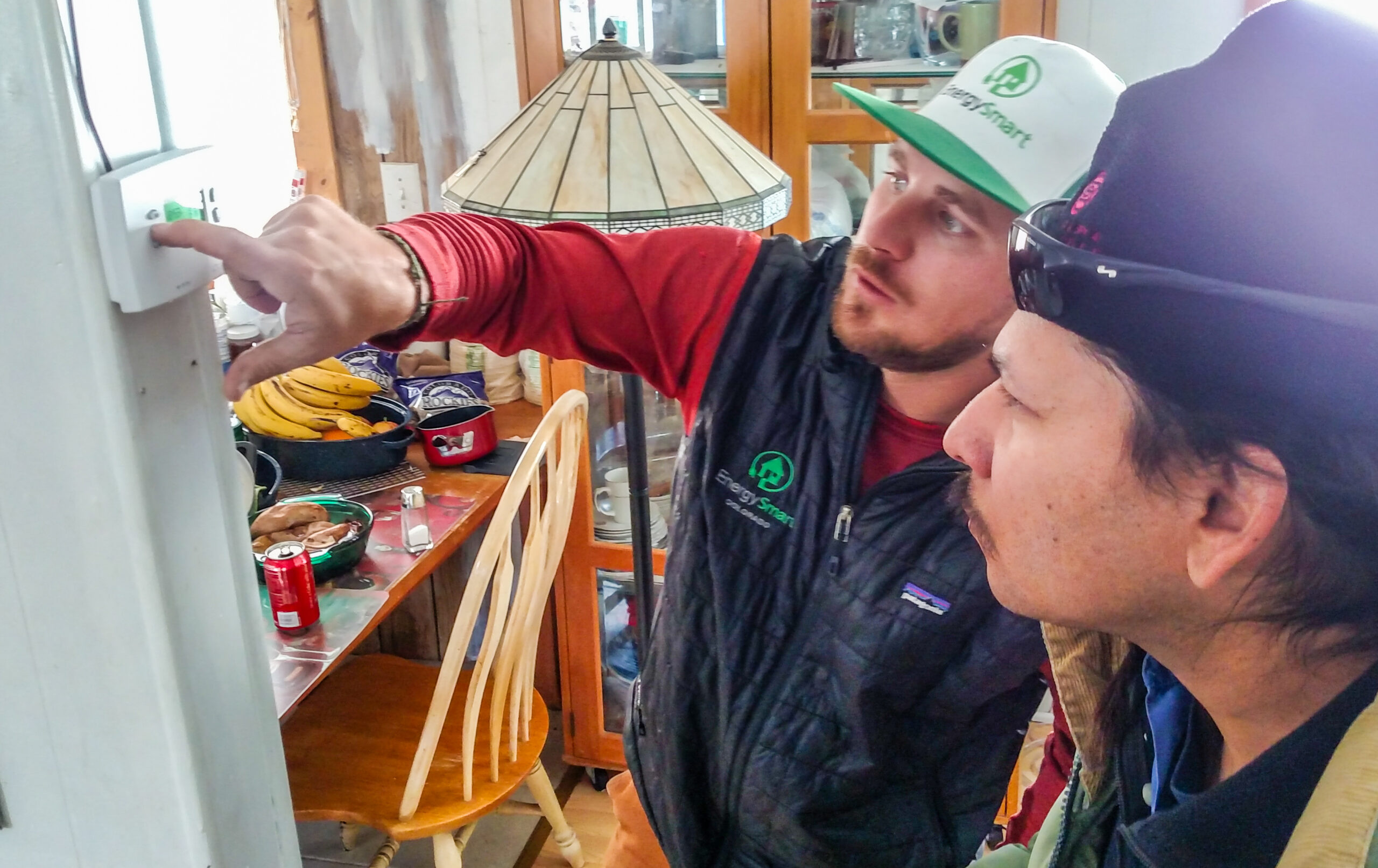
Analyst explaining smart thermostat


Talking Green: Make your home safer, more comfortable with an energy assessment

With a high cost of living and cold weather throughout the winter, you may be looking for ways to cut back on spending and keep your home warmer. Improving the energy efficiency of your home or business can save you a lot of money, make your space safer and more comfortable and help the environment.

A Partnership for Sustainability

One way to save energy is to sign up for an energy assessment with Yampa Valley Sustainability Council (YVSC). During the assessment, our team will inspect your home, make quick fixes, and provide recommendations to help you save on your bills. Additionally, these assessments can reveal if you qualify for thousands of dollars in upgrades.

These home analyses recognize comfort concerns, and include blower-door testing with infrared cameras to detect insulation voids and air leaks, in addition to Combustion Appliance Zone (CAZ) testing to identify potential for carbon monoxide and other hazards related to combustion heating systems. YVSC’s energy analysts can help you find the right equipment upgrades and apply for rebates that will ultimately reduce your energy bills.

When the analyst visits your home, they may also make free quick fixes, like installing weather stripping, changing out your lightbulbs to energy-saving LEDS or offering heat blankets. After the assessment, they will provide you with a comprehensive report of your home’s energy usage to help you better understand the steps you can take in the future to save power. They will also tell you about the many funding opportunities available to help make these improvements more affordable.
Right now is an opportune time to sign up for the assessments — thanks to a partnership between YVSC, Energy Smart Colorado and Yampa Valley Electric Association, assessments are currently discounted at 80%, making them available for only $100, and income-qualified households may be able to access even further discounts. Funds are limited, so those interested should sign up soon.

Energy assessments are also available to business owners. These assessments take a whole-business approach and pinpoints areas of your business that could help improve your energy efficiency, identify areas of safety improvements, and help lower costs. Pricing for businesses ranges from $375-$1,250, depending on square footage.

Assessments are available fully in English or Spanish. YVSC does not share financial or other personal information required for sign up with any outside entities.

To schedule your energy assessment in English, visit https://yvsc.org/commercial-residential-energy-assessments/ or email conner@yvsc.org for more information. Para obtener más información y programar su evaluación energética en español, visite yvsc.org/micasa/ o envíe un correo electrónico a info@yvsc.org.

Conner Byrnes is the Energy & Transportation Projects Manager at Yampa Valley Sustainability Council.


About Energy Smart Colorado

Energy Smart Colorado (ESC) began in 2010 as a federally funded program to provide energy efficiency services to residences in the central mountain region. The program was created and delivered by Eagle County, Pitkin County, and Gunnison County working collaboratively with their community-based non-profit partners.

In 2014, the program incorporated as a 501(c)(3) nonprofit organization with a mission to make energy efficiency improvements simple and affordable for Colorado residents.

Energy Smart Colorado is now a collaboration of 10 community partners serving 20 Colorado counties whose collective goal is to make residential and commercial energy efficiency improvements simple and affordable while advancing community-based goals for climate action.

Continue reading

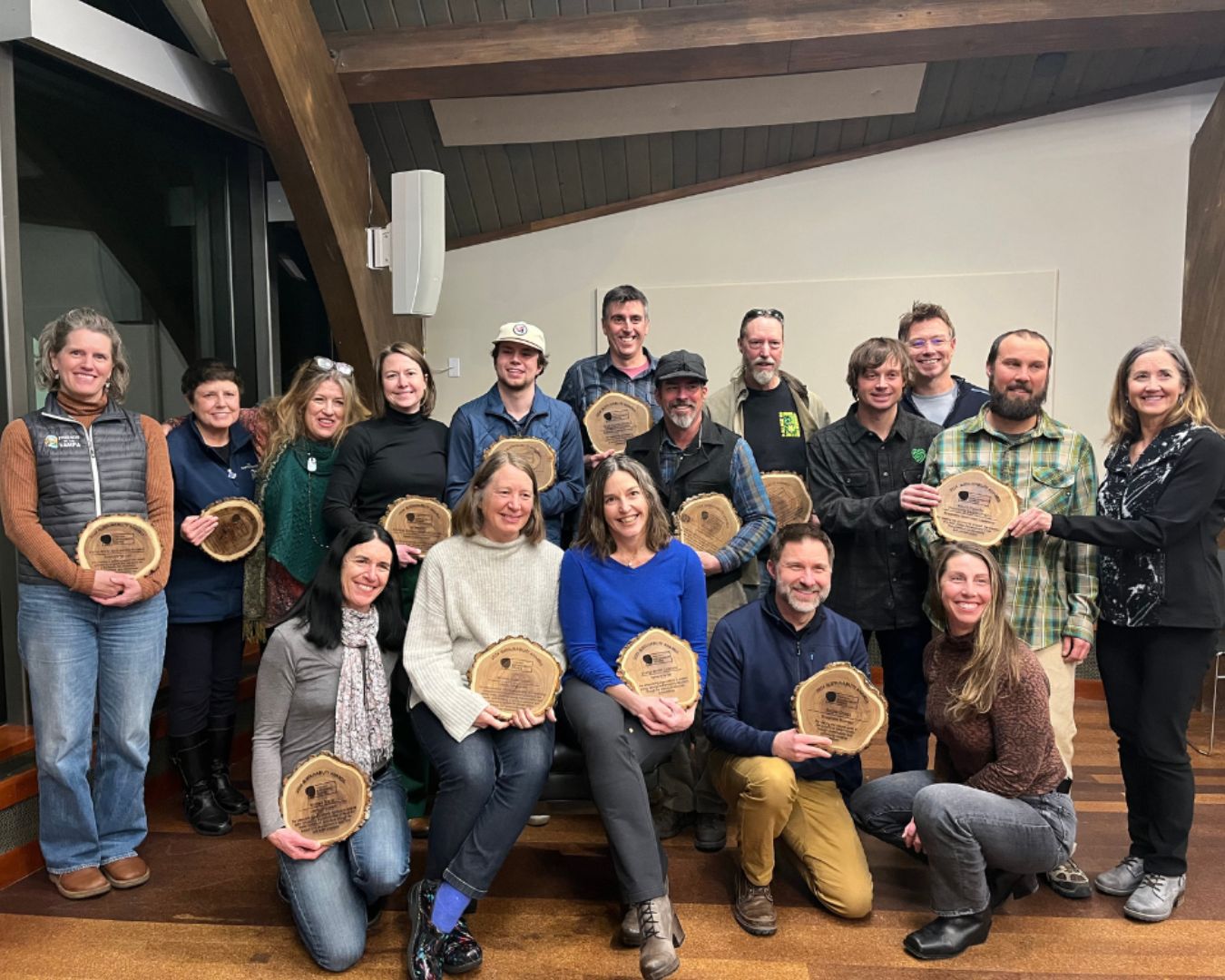
YVSC Sustainability Award


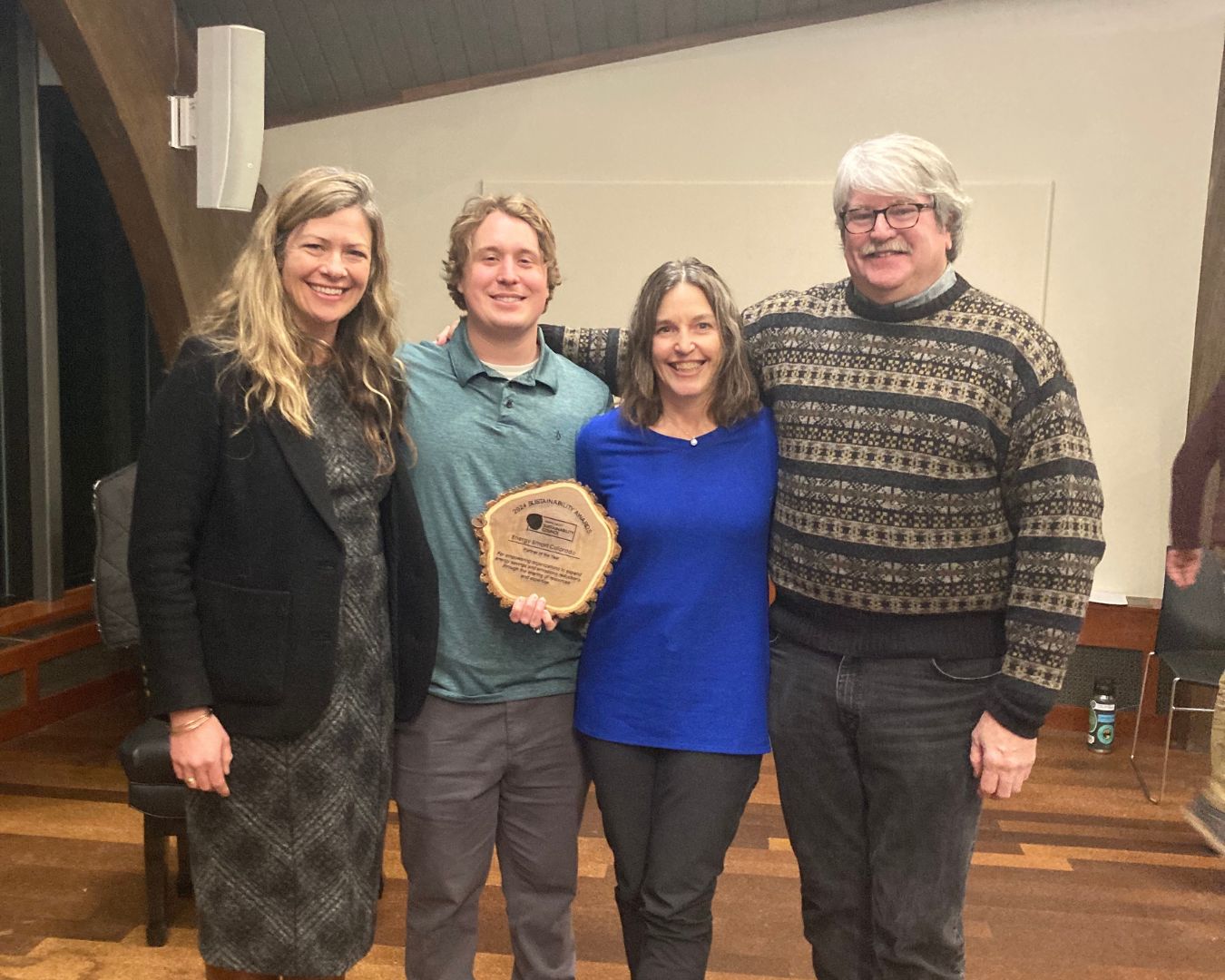
Energy Smart Colorado Recognized as Yampa Valley Sustainability Council’s 2024 Partner of the Year

Energy Smart Colorado (ESC) is honored to have been named Yampa Valley Sustainability Council’s (YVSC) 2024 Partner of the Year. This recognition reflects the impact of our collaboration with sustainability organizations across Colorado and our collective work to advance energy efficiency, beneficial electrification, and emissions reductions in local communities.

YVSC recognized ESC for its enhanced support to its local energy program delivery throughout 2024. With the help of ESC, YVSC was able to offer multiple cold climate air source heat pump workshops, increase Spanish language outreach to the community, integrate quick fix measures into energy assessments and offer the assessments for a $100 upfront cost — a significant discount from the previous $500 cost for a home energy assessment in the region.

A Partnership for Sustainability

Each year, Yampa Valley Sustainability Council (YVSC) presents awards to community members and groups who have taken significant steps toward promoting a healthier, greener future for the local community. ESC is honored to be recognized alongside community members, businesses, and nonprofits addressing climate action in Northwest Colorado.

ESC’s impact is built on strong partnerships, and our work with YVSC in Routt and Moffat Counties has been instrumental in expanding access to home energy assessments, rebates, and electrification resources. By working in collaboration, YVSC and ESC is helping more residents and businesses take steps toward lower energy costs and reducing carbon emissions.

Looking Ahead

This recognition reaffirms our commitment to scaling energy savings and sustainability efforts across the the central and western region of Colorado. As we continue to expand our energy efficiency programs and support local electrification initiatives, we remain dedicated to working with partners like YVSC to reduce emissions.

Read more about the 2024 YVSC Sustainability Awards and the other honorees: YVSC 2024 Sustainability Awards

We are grateful to YVSC and each of our regional partners for local outreach efforts to make energy efficiency more accessible to households and businesses throughout their communities. 


“Energy Smart Colorado is honored to be chosen by Yampa Valley Sustainability Council as their 2024 Partner of the Year. We look forward to increasing our support and collaboration with YVSC in the years to come.”

– Kasey Provorse, Executive Director, Energy Smart Colorado


About Energy Smart Colorado

Energy Smart Colorado (ESC) began in 2010 as a federally funded program to provide energy efficiency services to residences in the central mountain region. The program was created and delivered by Eagle County, Pitkin County, and Gunnison County working collaboratively with their community-based non-profit partners.

In 2014, the program incorporated as a 501(c)(3) nonprofit organization with a mission to make energy efficiency improvements simple and affordable for Colorado residents.

Energy Smart Colorado is now a collaboration of 10 community partners serving 20 Colorado counties whose collective goal is to make residential and commercial energy efficiency improvements simple and affordable while advancing community-based goals for climate action.

Continue reading

TARA STITZLEIN

Tara Stitzlein is the Chief Executive Officer of the Community Office for Resource Efficiency (CORE), where she has held various roles since 2022. Tara has a B.S. in Biological Sciences from Colorado State University, and a Master of Science in Molecular Environmental Biology from the University of Tromsø in Norway, where she focused on studying marine plastic debris. Prior to CORE, Tara worked for the State of Colorado and the State of Wyoming as a scientist, and previously worked as a laboratory technician doing water quality testing. In her role at CORE, Tara combines her scientific expertise and problem-solving skills to lead initiatives that address climate change and enhance community resilience. She is dedicated to fostering collaboration and driving innovative solutions that create a sustainable future for communities across Colorado. Outside of the professional realm, Tara enjoys adventuring in the mountains and deserts, live music, and spending time with her husband, daughter, and her dog, Hayduke.