Starting with an Energy Assessment
Like many homeowners, their journey began with an Energy Smart home energy assessment through Walking Mountains. The audit confirmed that the home was in relatively good condition but highlighted a few opportunities for improvement.
Completing the assessment first helped guide decisions as renovations moved forward and ensured that upgrades were done in a strategic, coordinated way and met available rebate guidelines.
Energy Plan of Action
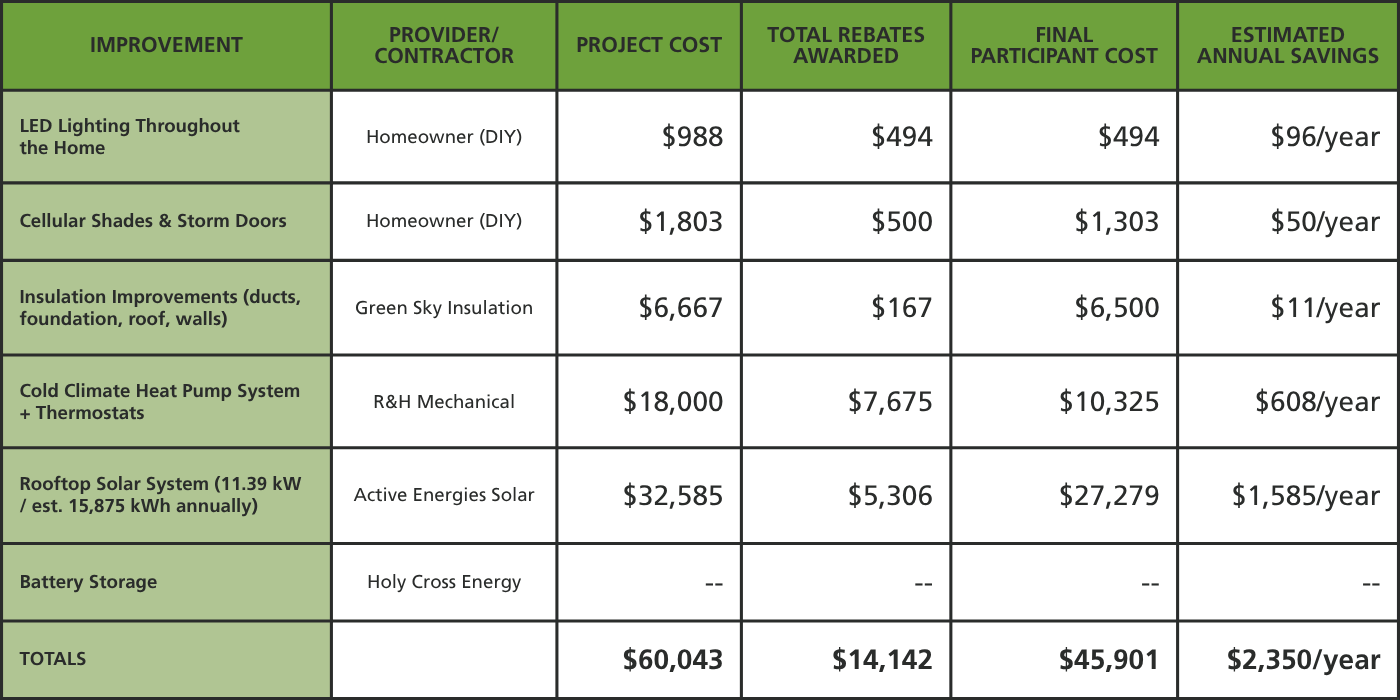
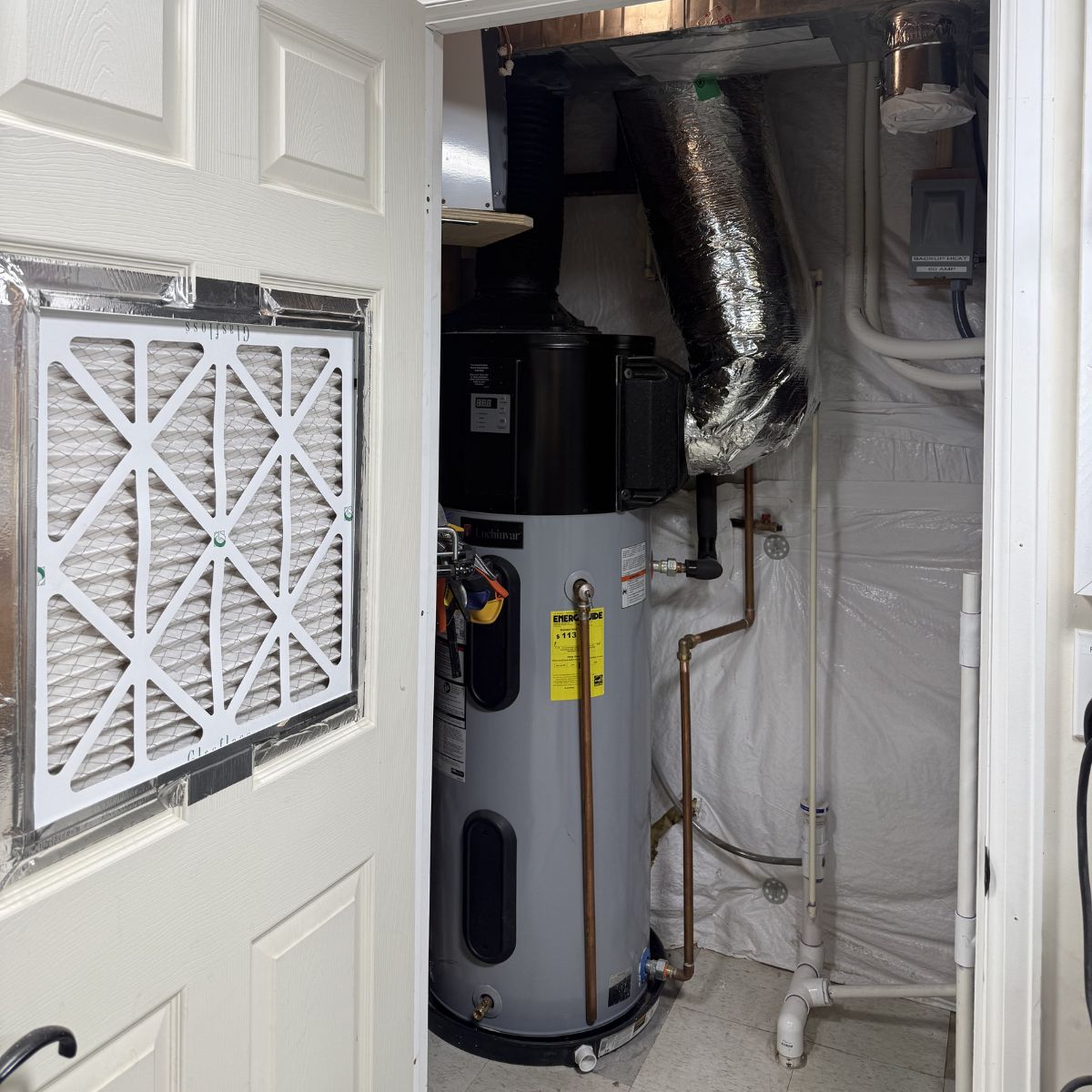
The White household approached their upgrades in phases, combining structural improvements with mechanical and efficiency upgrades. Key improvements included:
One of the most impactful improvements was duct sealing. Leakage was reduced from approximately 15 percent to 2 percent, improving system performance and noticeably reducing dust in the home. “When the work was done, we could tell the difference right away. The house just feels tighter and cleaner,” Mark noted.
“We are very pleased with how everything came together. The house is quiet, comfortable, and efficient, and the battery system has already proven its value during an outage.”
– Mark White, Eagle, Colorado homeowner
From Gas Heating to Cold Climate Heat Pump
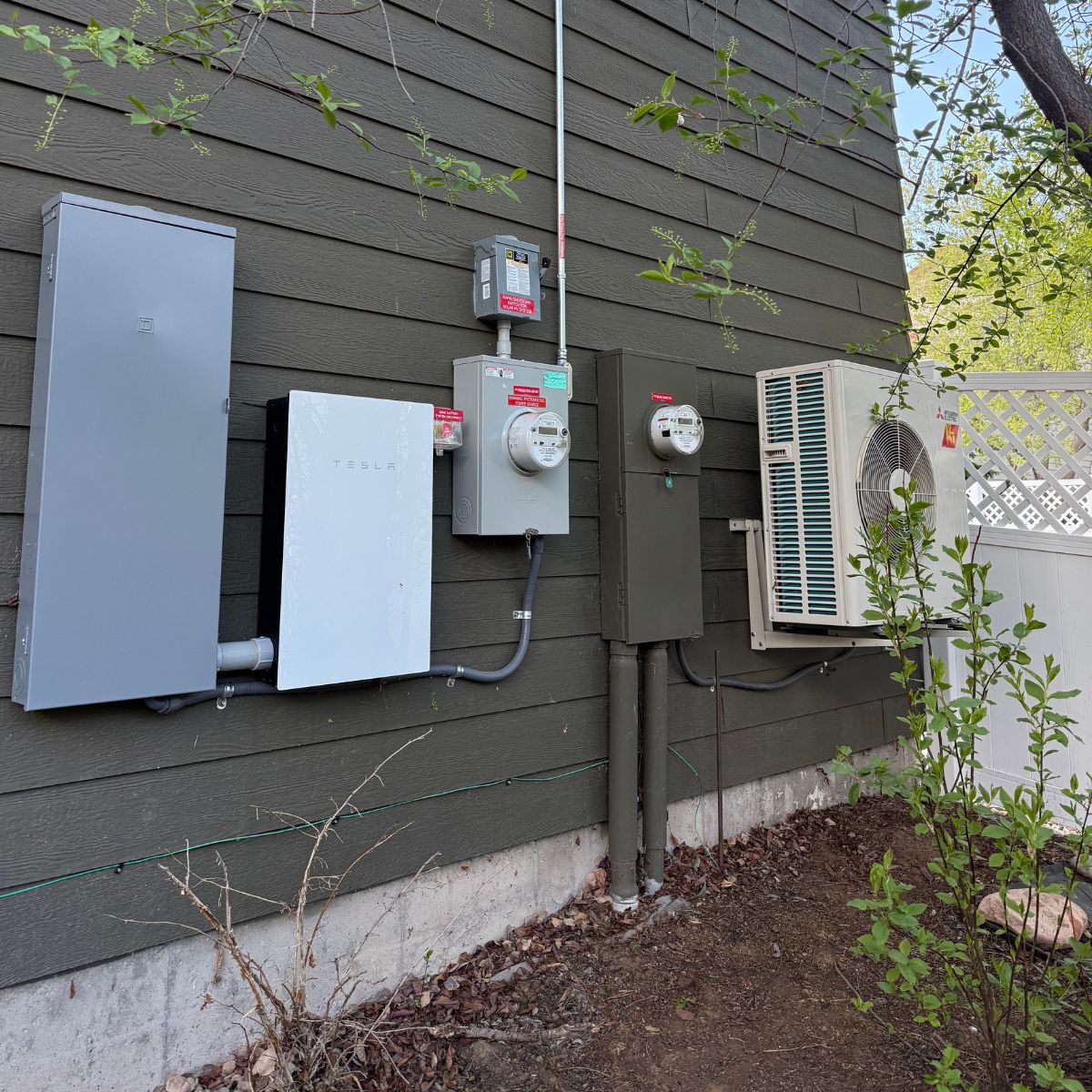
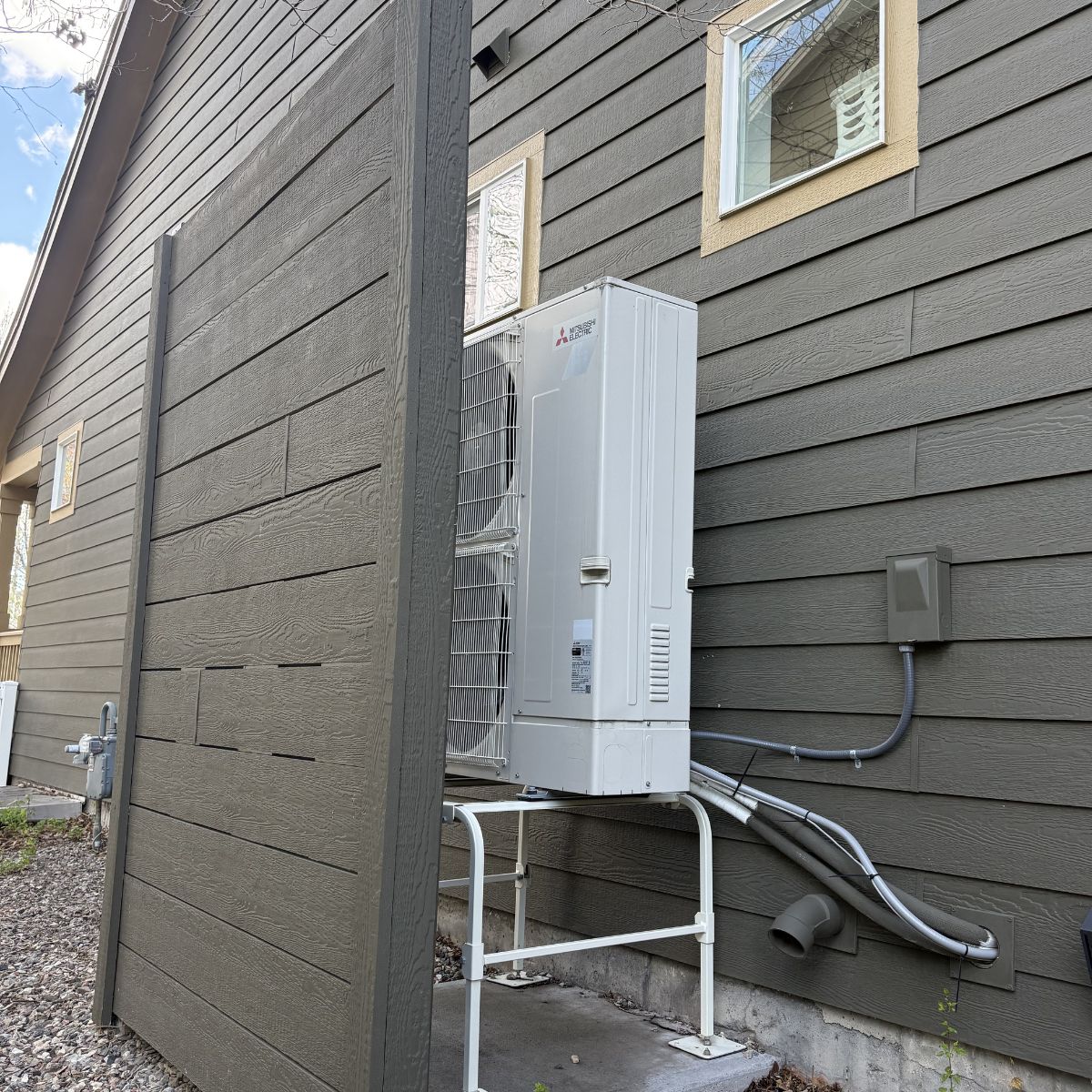
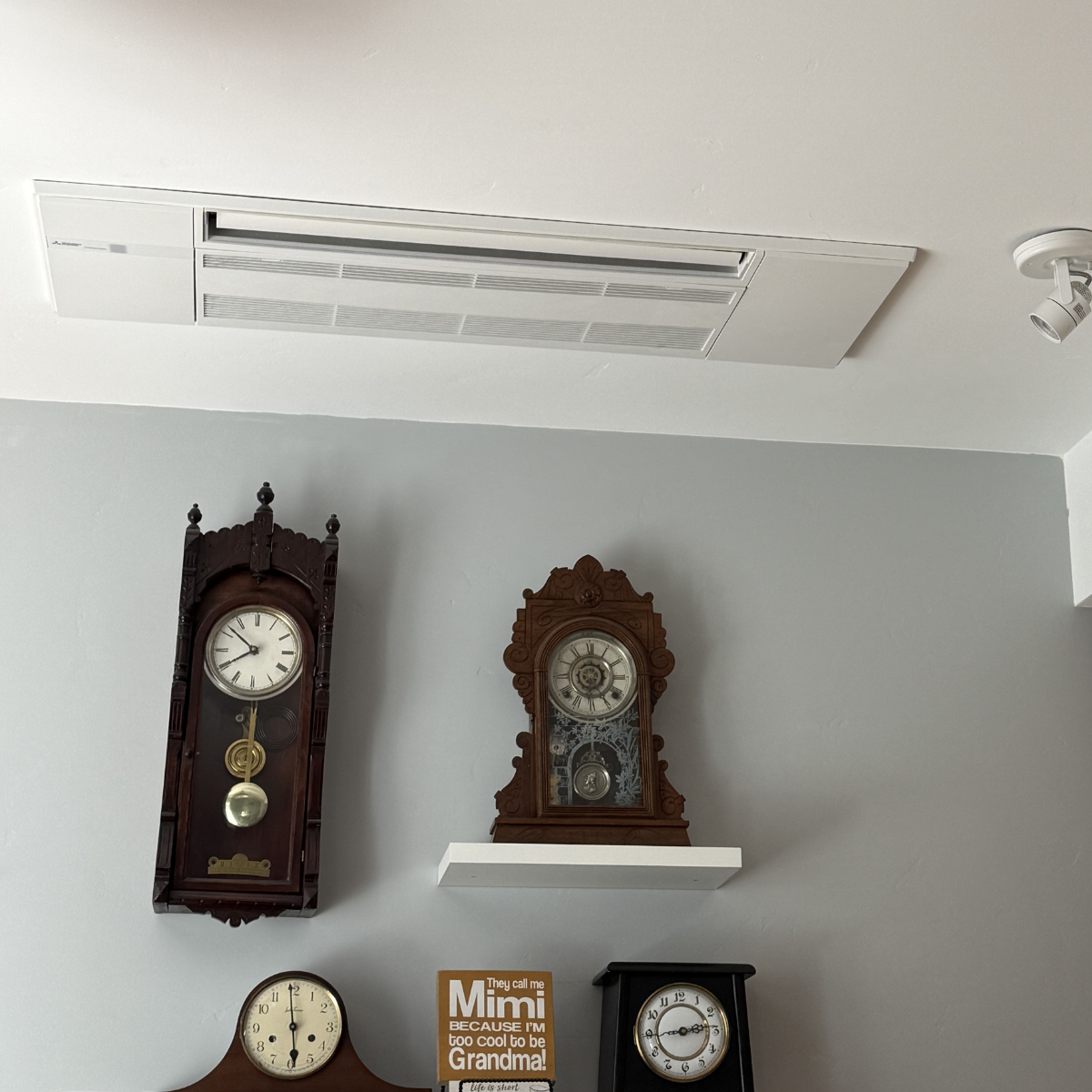
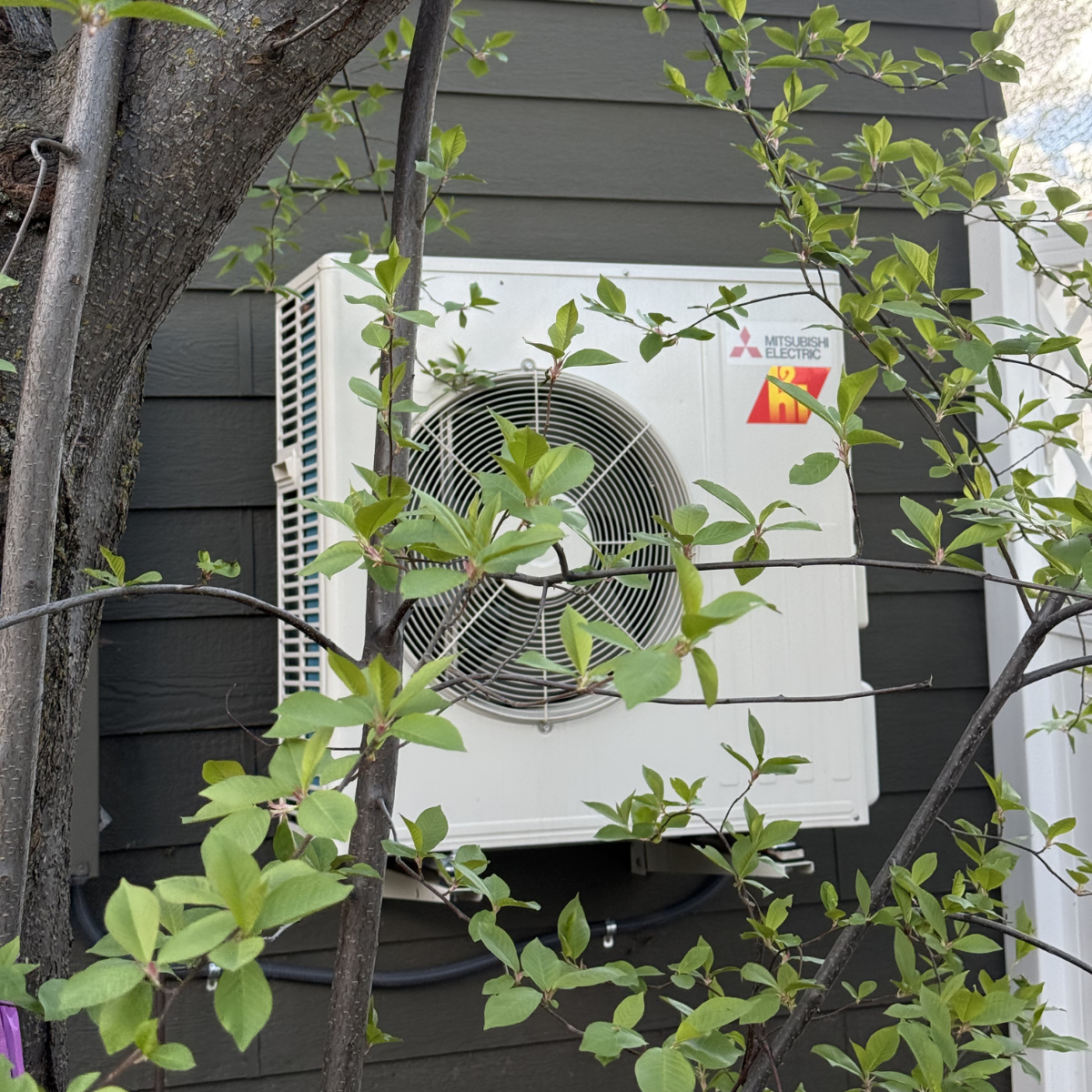
Replacing the original natural gas furnace with a cold climate heat pump system was a major step. The home’s heating is now served by multiple zones, located in the main house, breezeway, and the ADU (Accessory Dwelling Unit).
The homeowners say one of the biggest differences is how quiet the system is compared to their previous furnace. Day-to-day use is simple, with the thermostat rarely needing adjustment. “We set it and forget it,” Ellen said.
Solar, Storage, and Energy Resilience
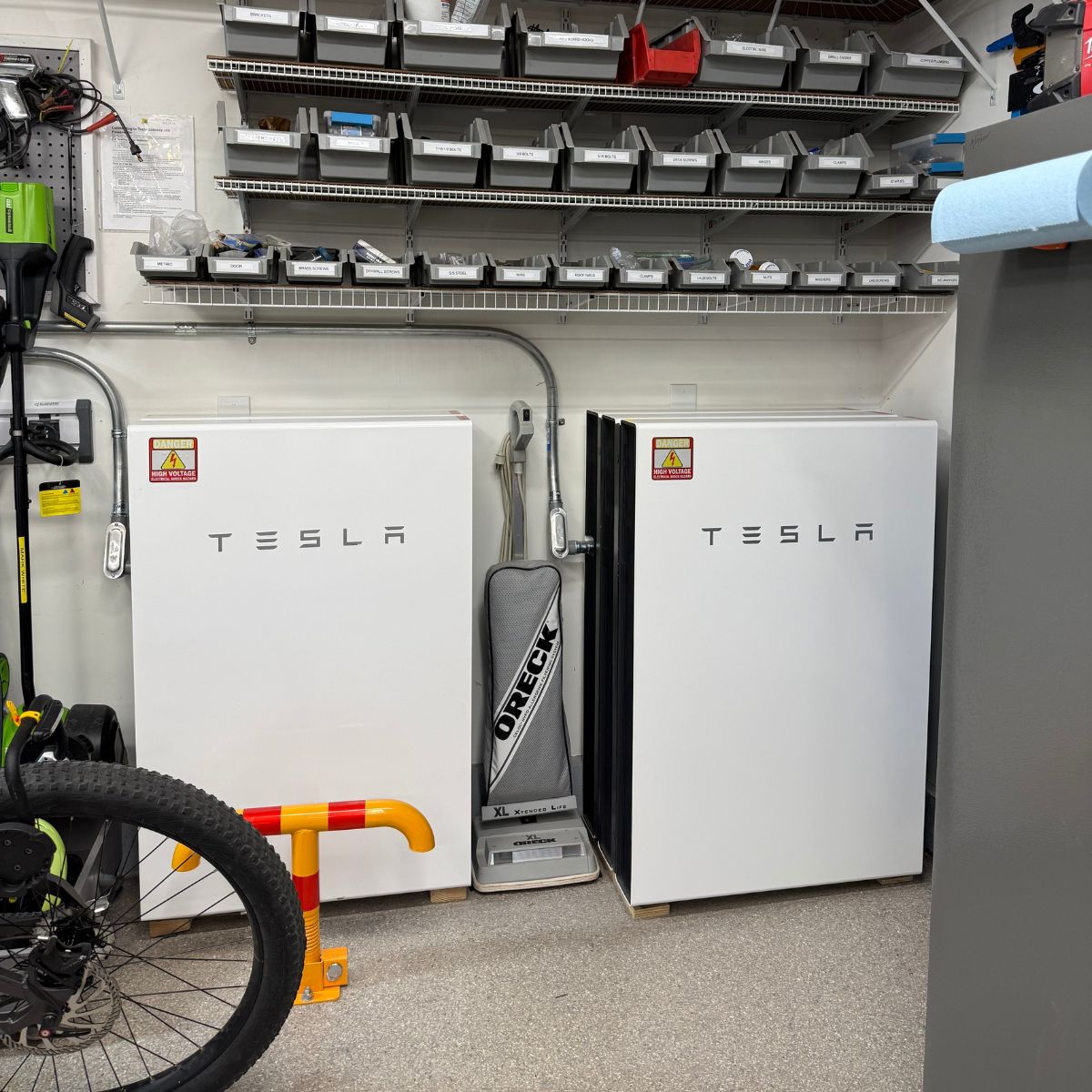
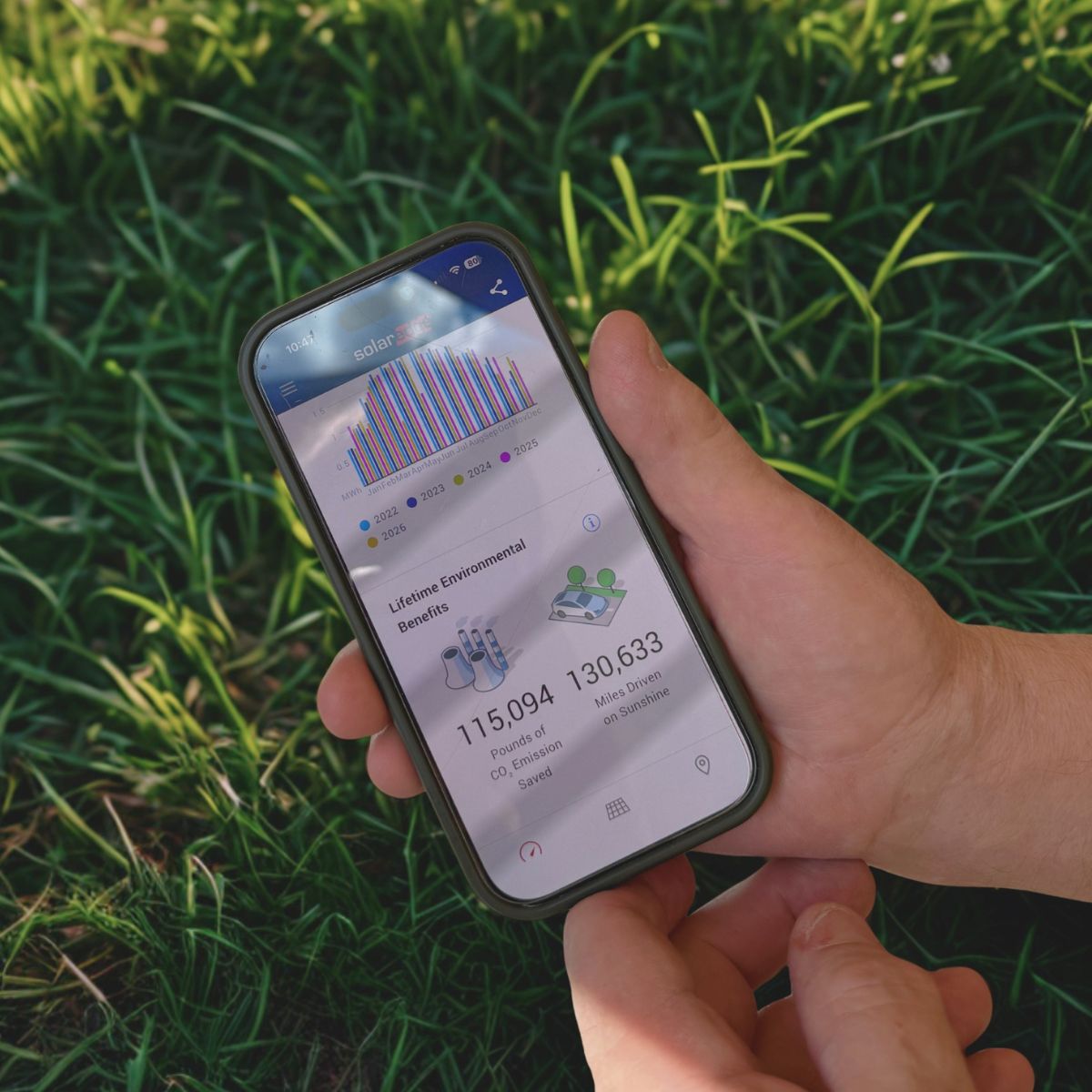
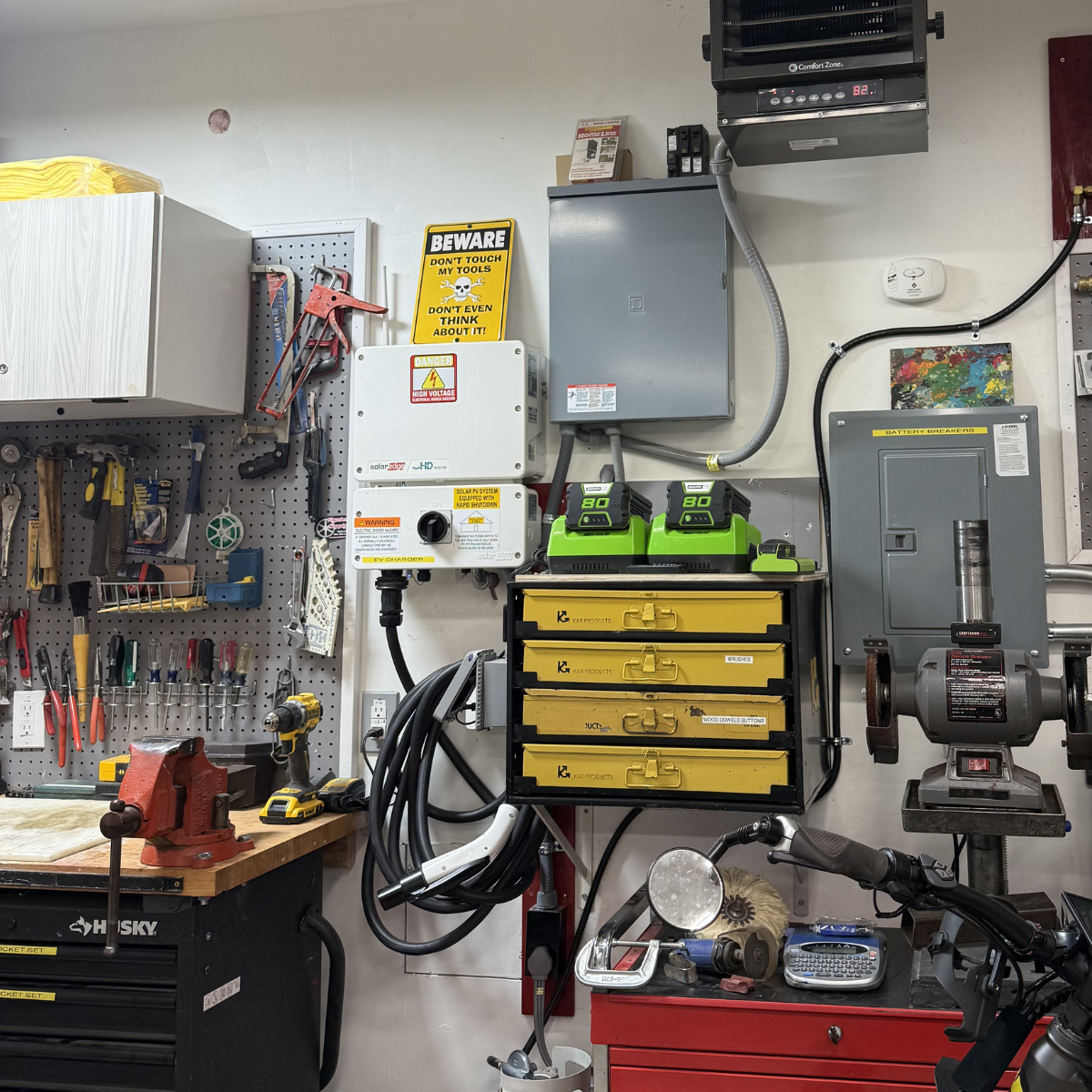
The solar installation, paired with battery storage, has already proven its value. During a power outage that affected much of the surrounding area, the White household remained fully powered without interruption.
While many upgrades focus on efficiency and cost savings, this experience highlighted another key benefit: resiliency.
Comfort Gains Beyond Equipment
Not all improvements were mechanical. The homeowners also added an exterior awning, which helps reduce solar heat gain in the summer and improves comfort both indoors and outdoors. Combined with air sealing and insulation upgrades, these smaller changes contributed to a noticeable increase in comfort throughout the home.
Much of the interior work was completed by Mark himself, with help from family. With a background in carpentry and strong hands-on skills, he was able to take on a significant portion of the work. This not only reduced overall project costs but also highlights how homeowners with the right skills can meaningfully contribute to their own upgrades.
A Practical Approach to Energy Efficiency
While the home includes many advanced upgrades, Mark and Ellen were clear that they are not aiming for full electrification. They plan to keep their fireplace and gas stove, prioritizing comfort and lifestyle preferences.
Their experience highlights an important takeaway: meaningful improvements do not require an all-or-nothing approach. Homeowners can make significant progress toward efficiency and performance without eliminating every gas appliance.
Lessons Learned
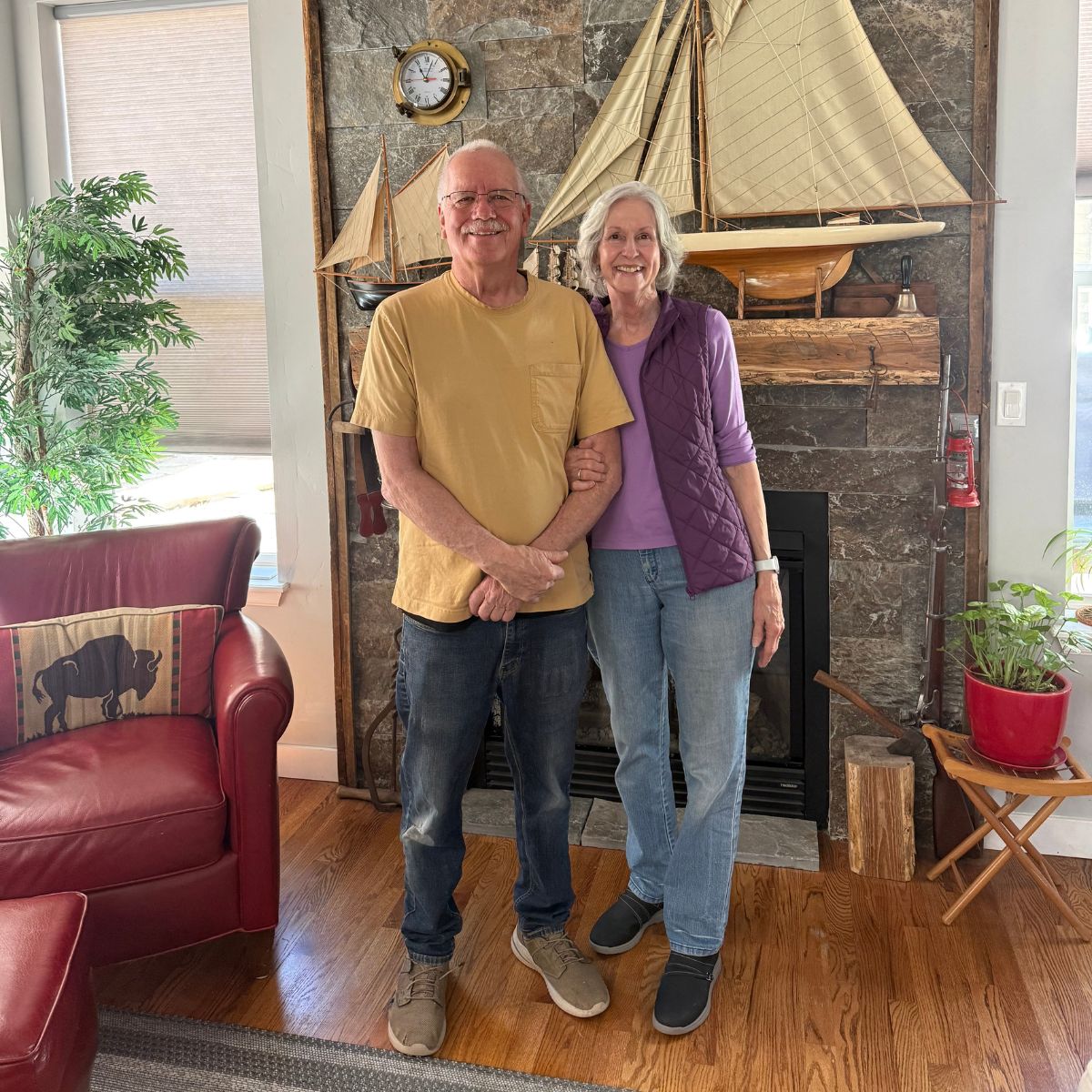
Mark and Ellen emphasized that these energy upgrades were an investment. Over time, they saved and planned for the work, with the goal of improving their forever home, the place they intend to retire and continue building their lives. For them, the investment has been well worth it, not only for the comfort and performance of the home, but for the long-term value it brings.
They love living in Colorado and being part of their community, and their project has already had a ripple effect. Some neighbors have begun following in their footsteps by installing solar panels and exploring other energy improvements of their own.